Beshai Palangon
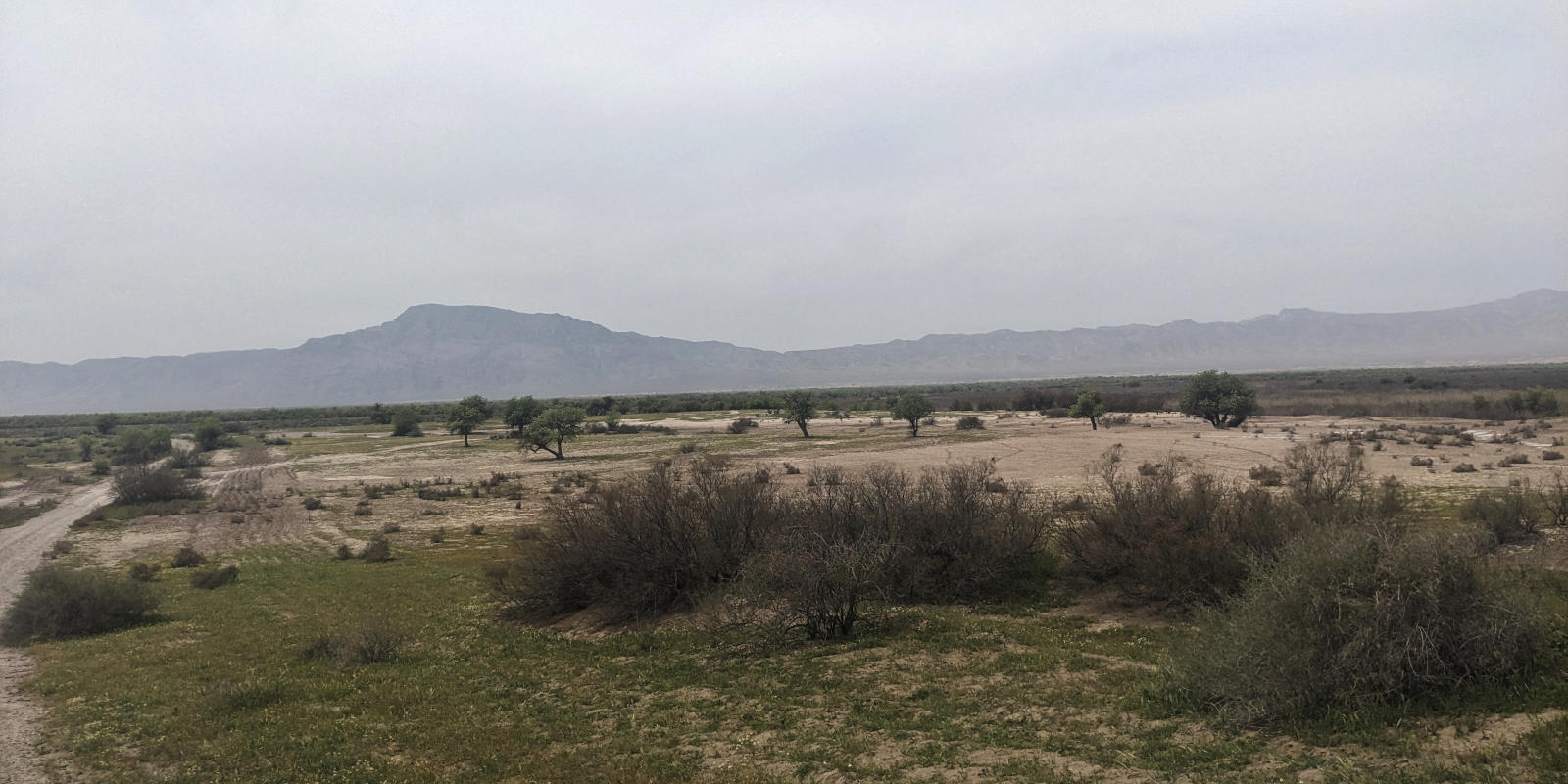
Beshai Palangon Nature Reserve (also known as the Tigrovaya Balka Nature Reserve) is located in the southwest of Tajikistan near the Afghan border where the Vakhsh and Panj rivers meet to form the Amu Darya. ‘Beshai Palangon’ literally means ‘Tiger Valley’ in Tajik, a reminder of the region historically being the habitat of the now-extinct Turanian tiger. The site is the only nature reserve in Tajikistan that is not dominated by mountains, covering nearly 50.000 hectares of desert, steppe and tugai forest ecosystems. Getting into Beshai Palangon is difficult, but it is a unique place to visit in Tajikistan.

Landscape and Ecology
Established in 1938, Beshai Palangon was Tajikistan’s first state nature reserve created to protect unique natural landscapes and wildlife, especially rare plant and animal species. In 2023, the nature reserve was inscribed on the UNESCO World Heritage List for its outstanding natural value.
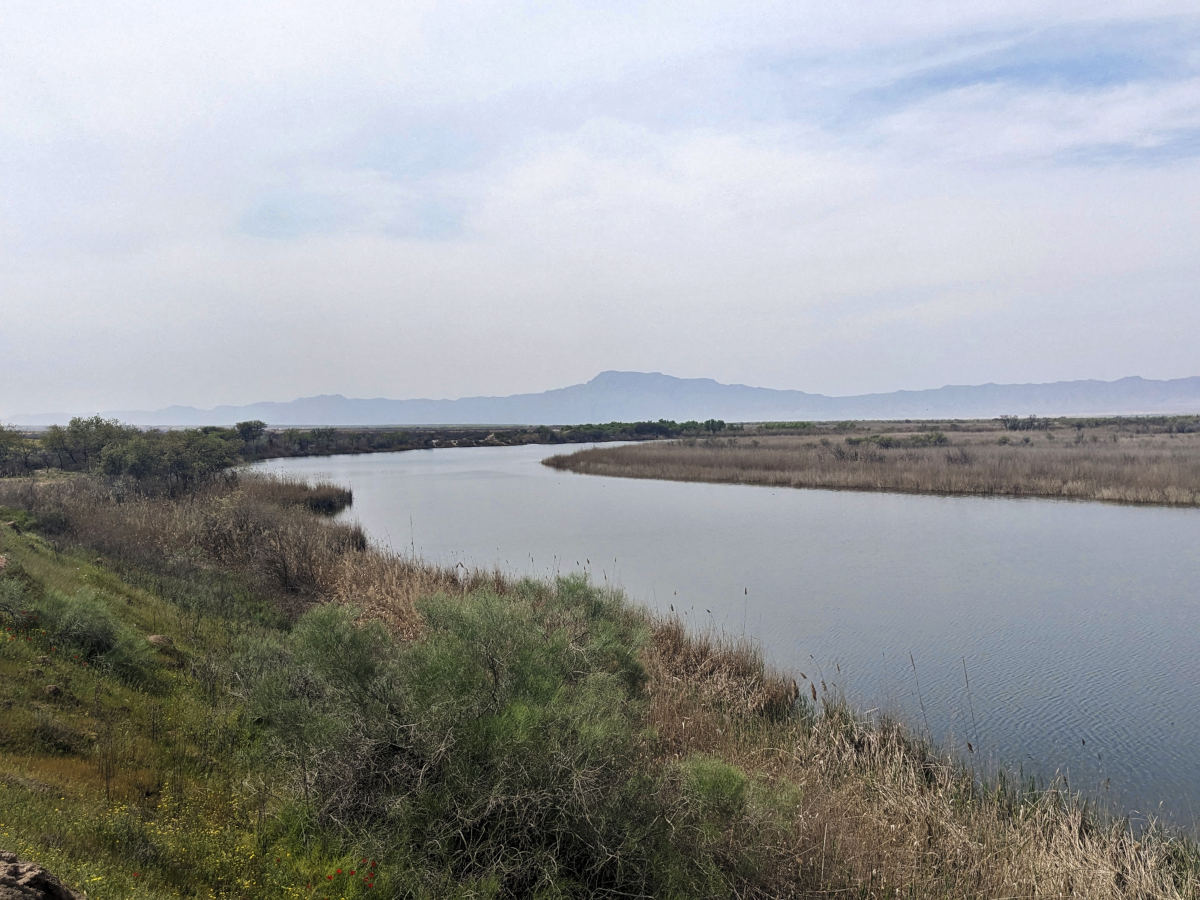
The park stretches over roughly 40-50 km from southwest to northeast and is a remarkably flat area in Tajikistan with elevations around 300 m above sea level. The reserve features extensive tugai forests, which are woodlands shaped by seasonal flooding of the Vakhsh River. Aparts from these arid woodlands, the landscape includes semi-desert steppes, grasslands and river floodplains that support a high diversity of life.
Beshai Palangon supports a rich variety of wildlife. Historically, it was home to the Turanian or Caspian tiger, and though the species disappeared from the region decades ago, the reserve still hosts its former main prey species, such as the Bactrian deer. Other mammals include striped hyenas, golden jackals, swamp cats, gazelles, wild boars, porcupines, foxes and wolves. The diverse habitats also support a large number of bird species.



Getting in
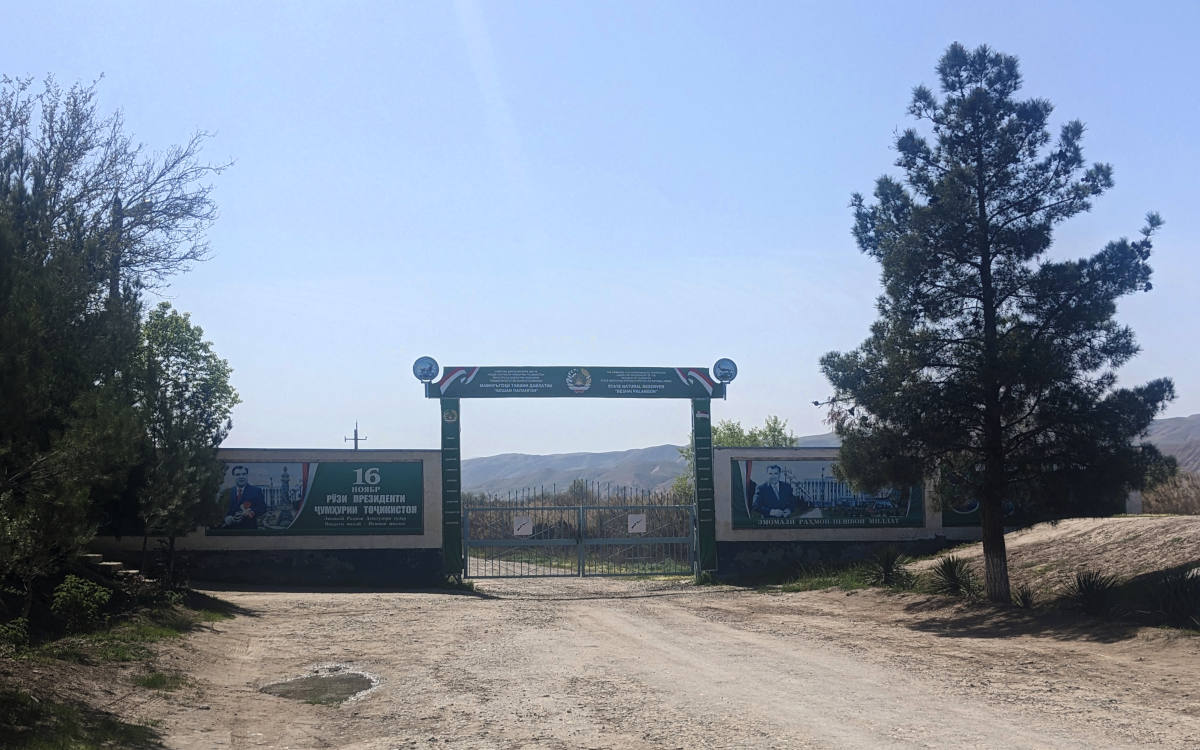
Now for the difficult part: getting in. In general, travel in Tajikistan is straightforward when it comes to permits and access. Outside of some border zones near Afghanistan and Kyrgyzstan, most regions are open to independent travel. There are, however, some notable exceptions, such as the well-known Sarez Lake area. Beshai Palangon Nature Reserve is another area with very restricted access.
The park is not open to regular tourists. The entire reserve is fenced and gated, and entry is officially limited to scientists, researchers and people with a specific professional purpose. Casual visits are not permitted unfortunately.
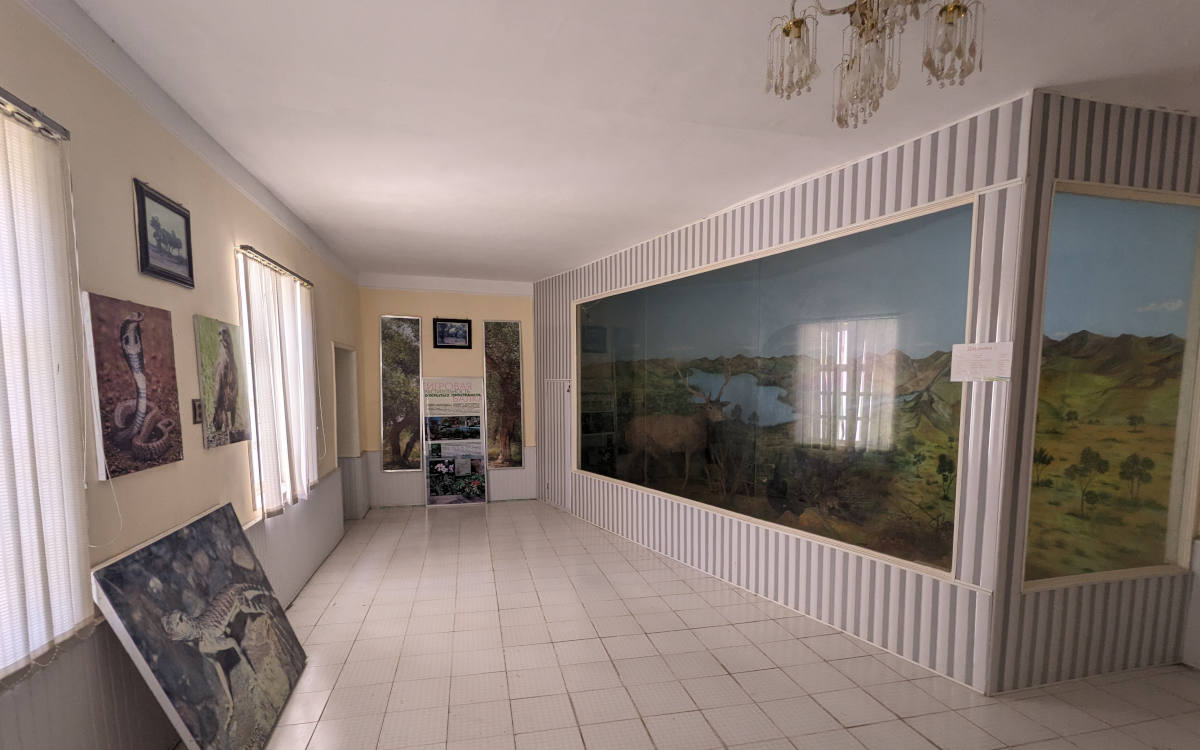
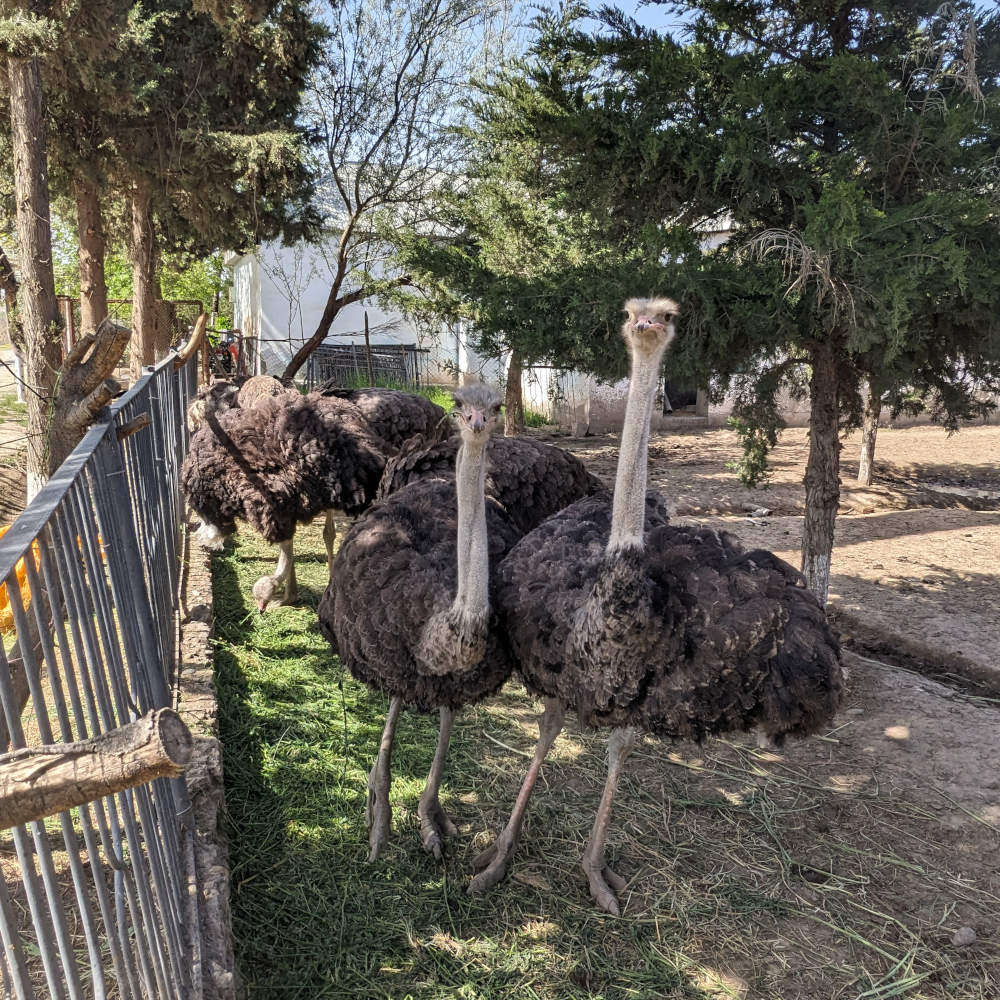
A visitor center and small museum are located on the north side of Beshai Palangon, just south of the village of Jilikul. The museum is open to the public, but it does not have a ticket booth or permit issuing point to allow entry into the reserve itself. Inside the museum, information panels explain the ecosystems and history of the reserve, and there is a large collection of stuffed animals, especially birds, with dozens of different bird specimens on display.
In our case, we managed to get in after making many, many phone calls. The process to get permission took two days in total and allowed us one day access to explore the reserve.
Exploring the Reserve
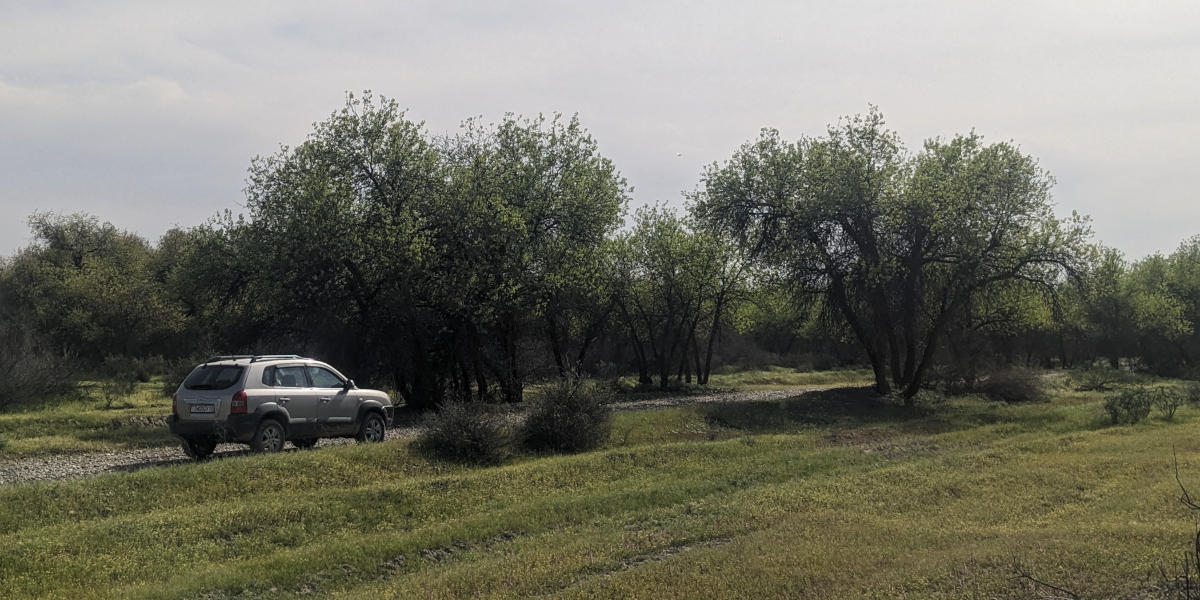
Exploring Beshai Palangon Natural Park is very different from visiting mountainous areas in Tajikistan. The reserve is flat and extensive and most of it is accessible via a network of dirt roads. Therefore, exploration is more suitable by car than on foot. Trekking is difficult due to dense vegetation, wetlands, and also due to the hot temperatures in these lowlands and lots of mosquitoes in swampy areas, especially near water.
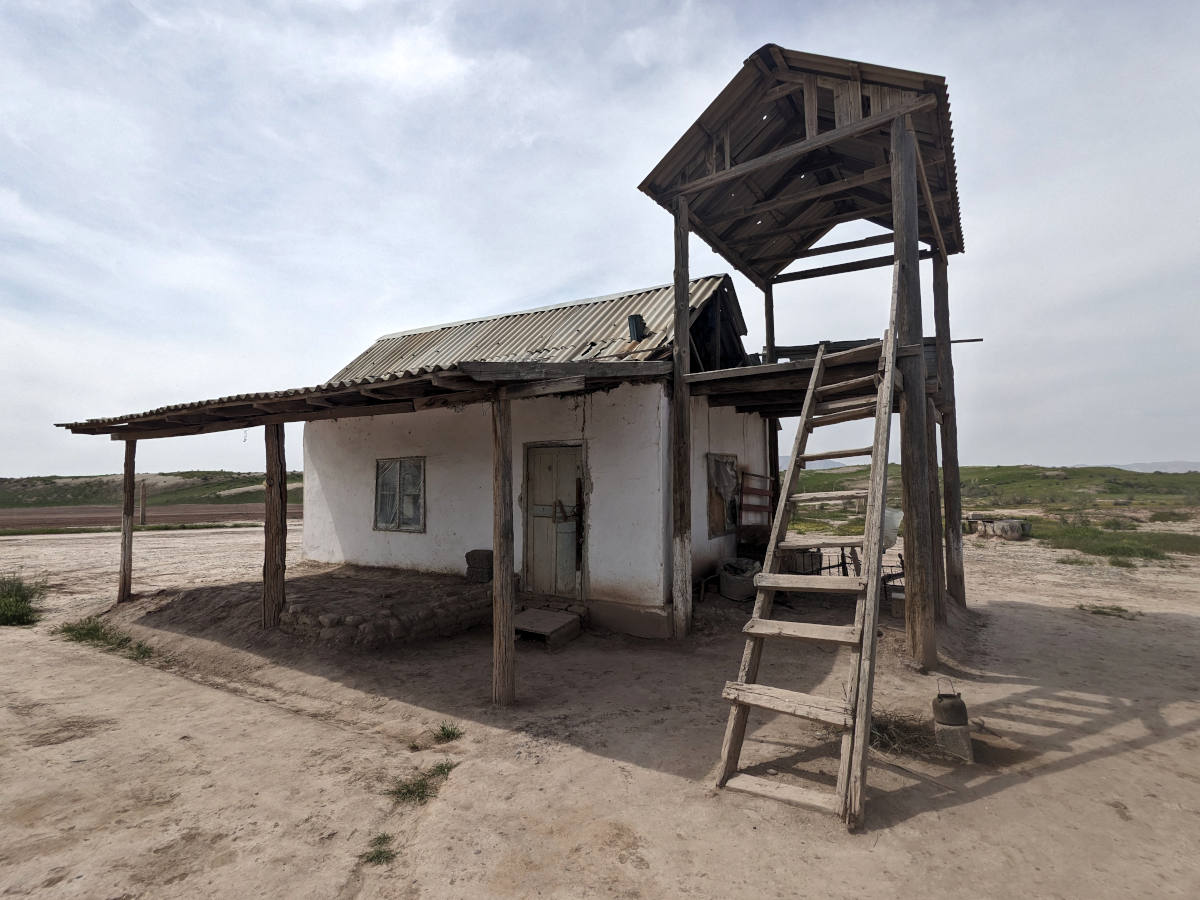
The landscape is shaped by the Vakhsh River with many oxbow lakes and abandoned river bends scattered across the reserve, which requires some attention when it comes to navigation. Along the way, you may pass practical infrastructure such as a water purification station, as well as remnants from earlier times, including a very old and rusting observation tower that once served for wildlife monitoring.
Entry and movement within Beshai Palangon are closely controlled with checkpoints and regular monitoring of visitors. The local park rangers, some with decades of experience in the reserve, are central in protecting this unique landscape and are a great source of information.
During visits, wildlife sightings are not guaranteed. We visited the reserve during the day and were not fortunate to encounter any animals (except for the mosquitoes and an occasional tortoise). For better chances of seeing wildlife and to avoid the worst heat, visiting at dawn or sunset will probably give higher chances of wildlife encounters.


Panji Poyon
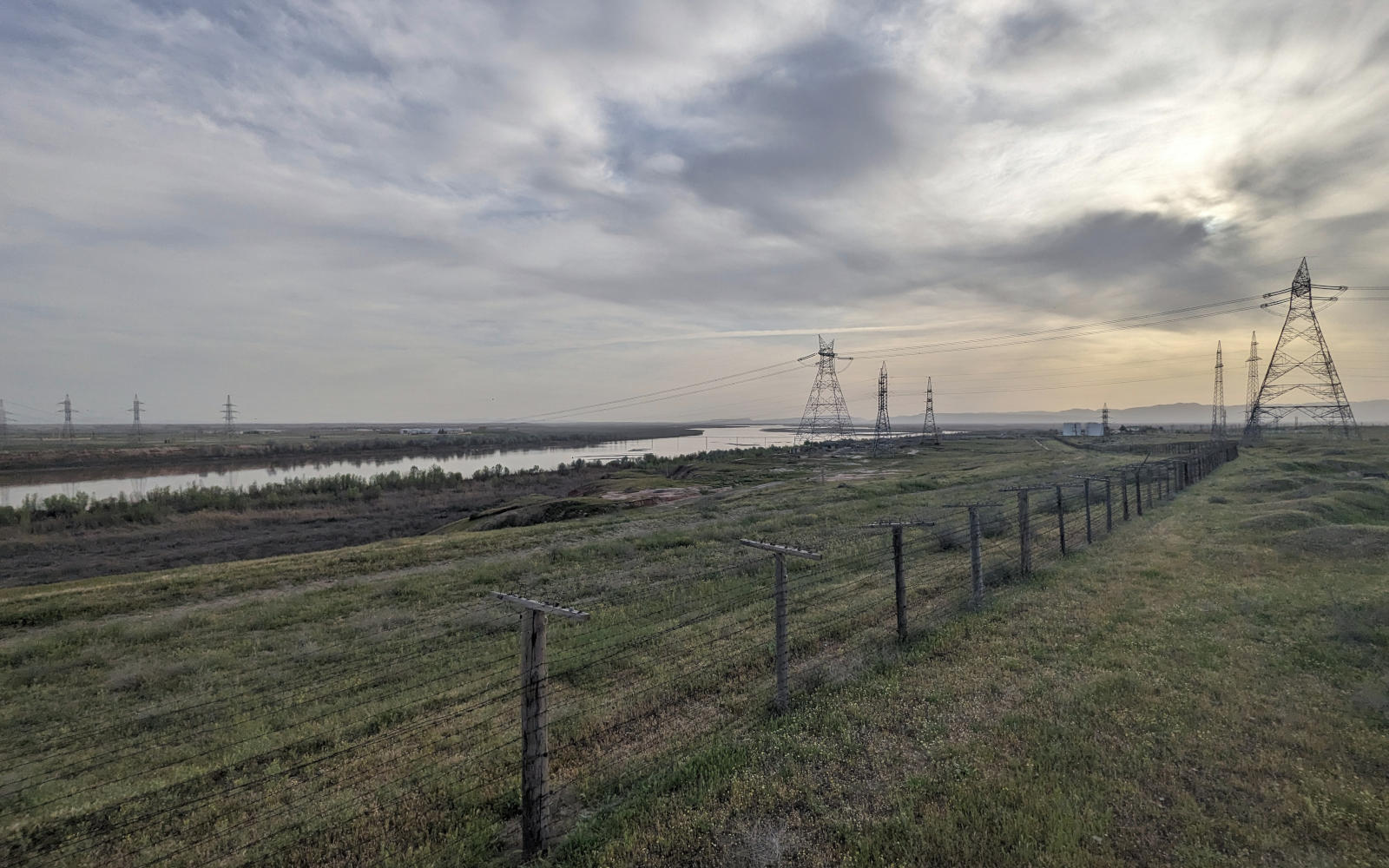
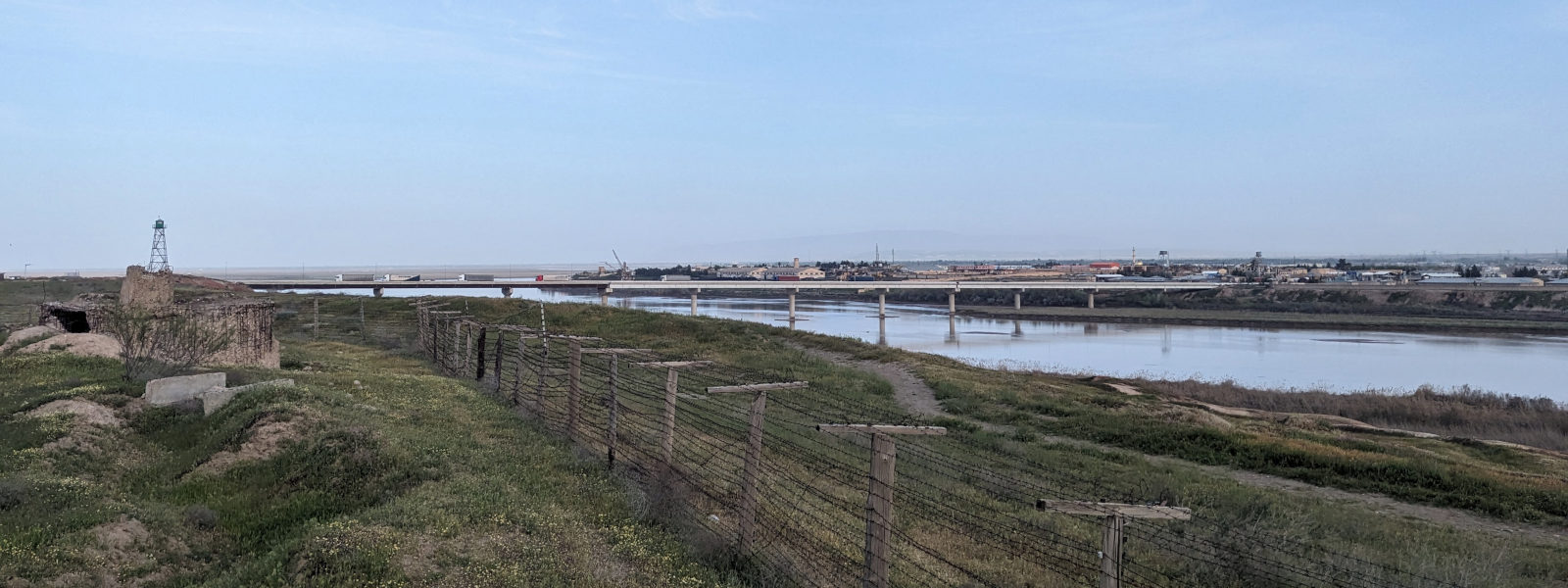
It is also important to note that entry from the south is not possible. Although maps may suggest access via Panj-i Poyon, this area is a military training and restricted zone with watchtowers and checkpoints. No entry to Beshai Palangon is possible from this direction.

Final thoughts
Beshai Palangon is a unique and little-known place, very different from the mountainous landscapes most people associate with Tajikistan. The reserve has clear potential for guided, safari-style nature tours. So it would be great if access to the reserve were made easier in the future to allow everybody to experience its lowland ecosystems.
As part of a broader journey through southern Tajikistan, Beshai Palangon would be a valuable addition. Its landscapes, birdlife and river-side forests are unlike anything else in the country and a real gem for nature lovers and birdwatchers. With the right balance between protection and controlled access, the park could become an important highlight of the region.