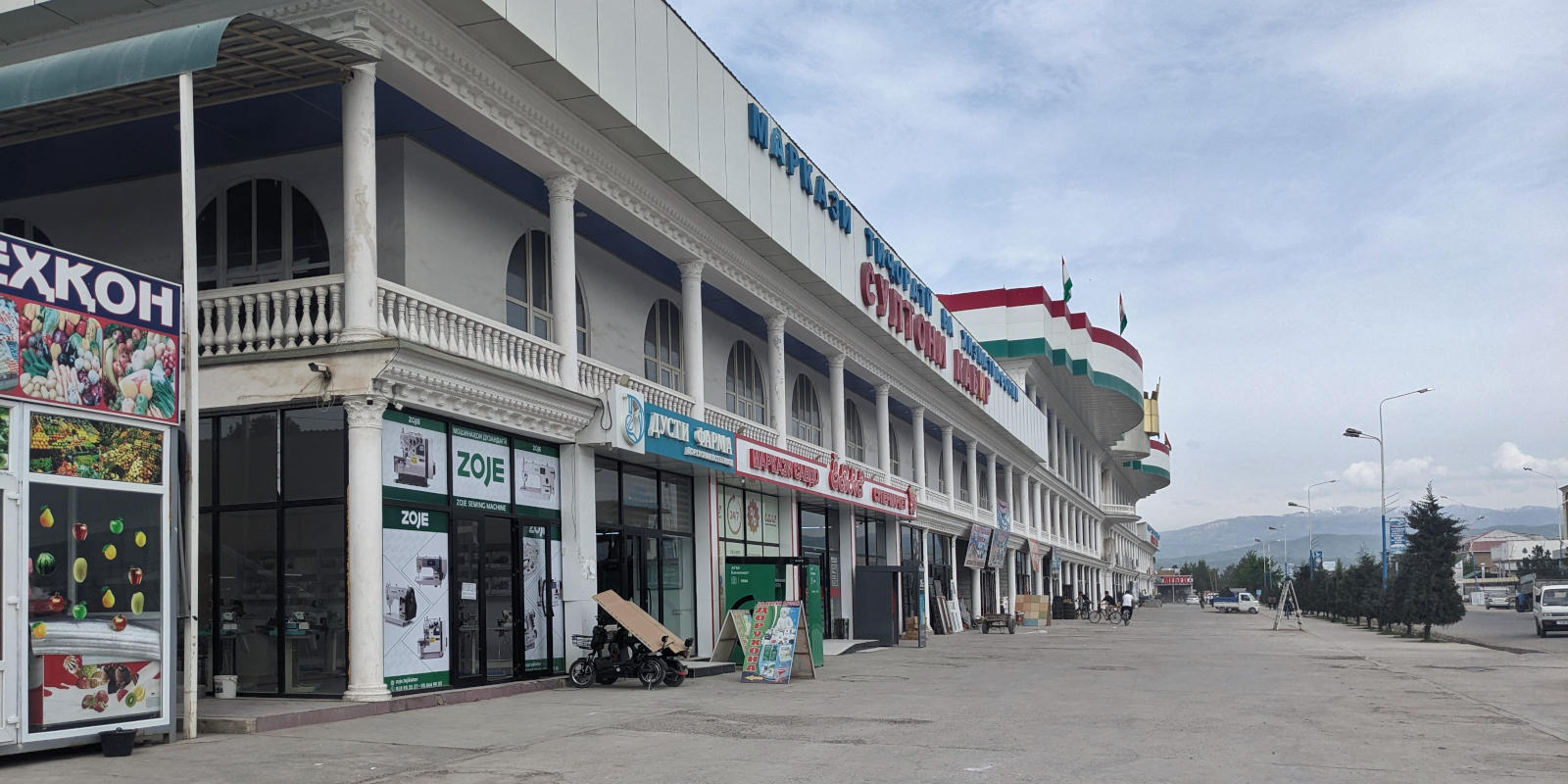
Hulbuk Fortress
Hulbuk Fortress is an historical fortified complex in southern Tajikistan that once served as the center of the medieval Khuttal region. Within the fortress, the Palace of the Governor served as the residence and administrative center for the region’s rulers. Remnants of walls and intricate architectural details reveal the impressive scale and sophistication of this ancient settlement. Hulbuk offers a nice glimpse into a past era that once shaped the wider region and is a convenient stop when you are heading toward the Pamir Mountains.

History
Along the main road connecting Dushanbe to the Pamir Mountains, Hulbuk Fortress is an important archaeological site in the Vose District of Khatlon Region and a nice stop for anyone traveling through southern Tajikistan. Hulbuk was once the political and cultural center of the medieval region of Khuttal during the 9th-12th centuries CE. The site was part of a much larger settlement known historically as Khisht-Tepa, which was an urban center where skilled craftsmen, traders and artisans lived and worked.
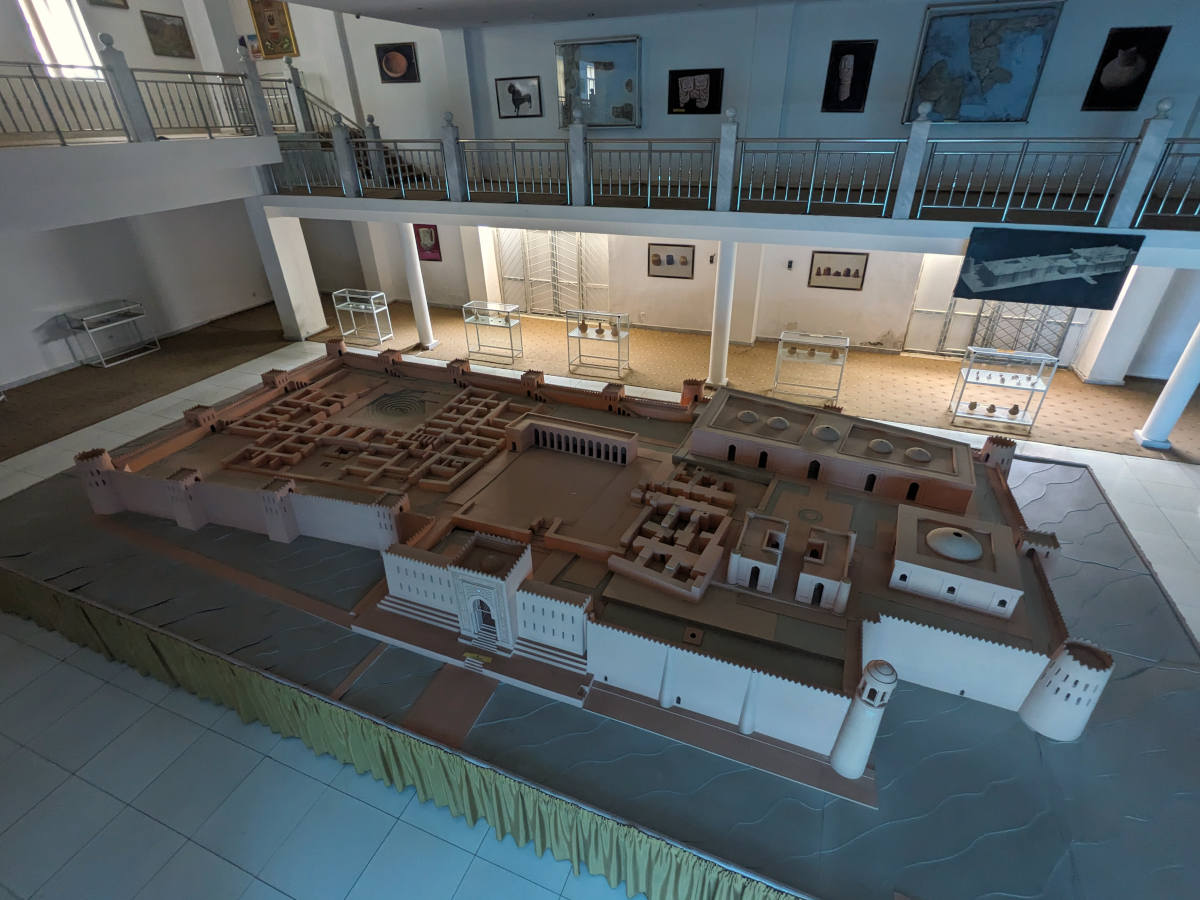
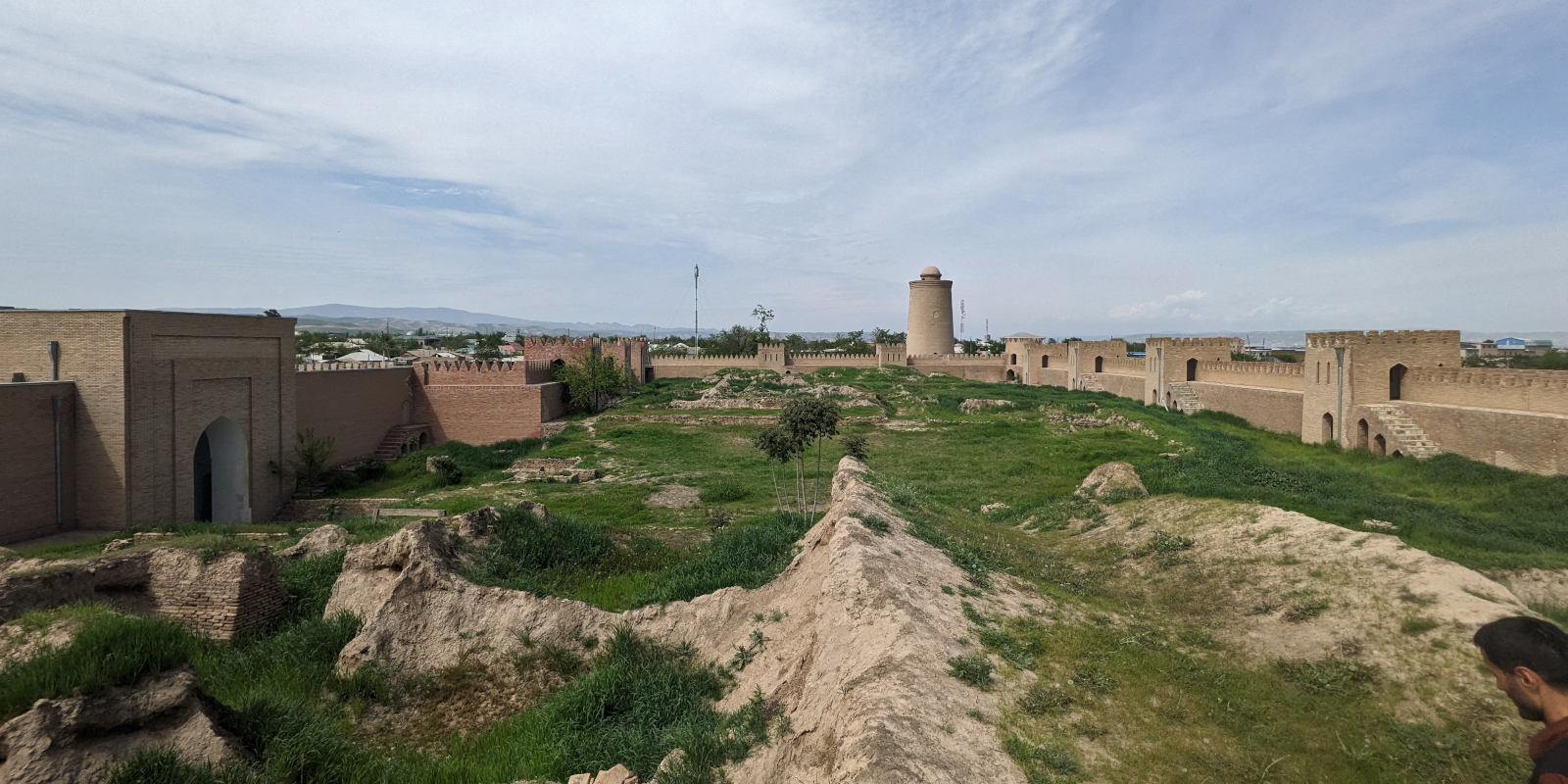
The fortress is a large fortified complex where the rulers of the region lived and governed. Inside the fortress lies the Palace of the Governor, the residence and administrative center for the region’s rulers. The palace and citadel covered a considerable area (about 600 × 200 meters) and stood up to around 15 meters tall.
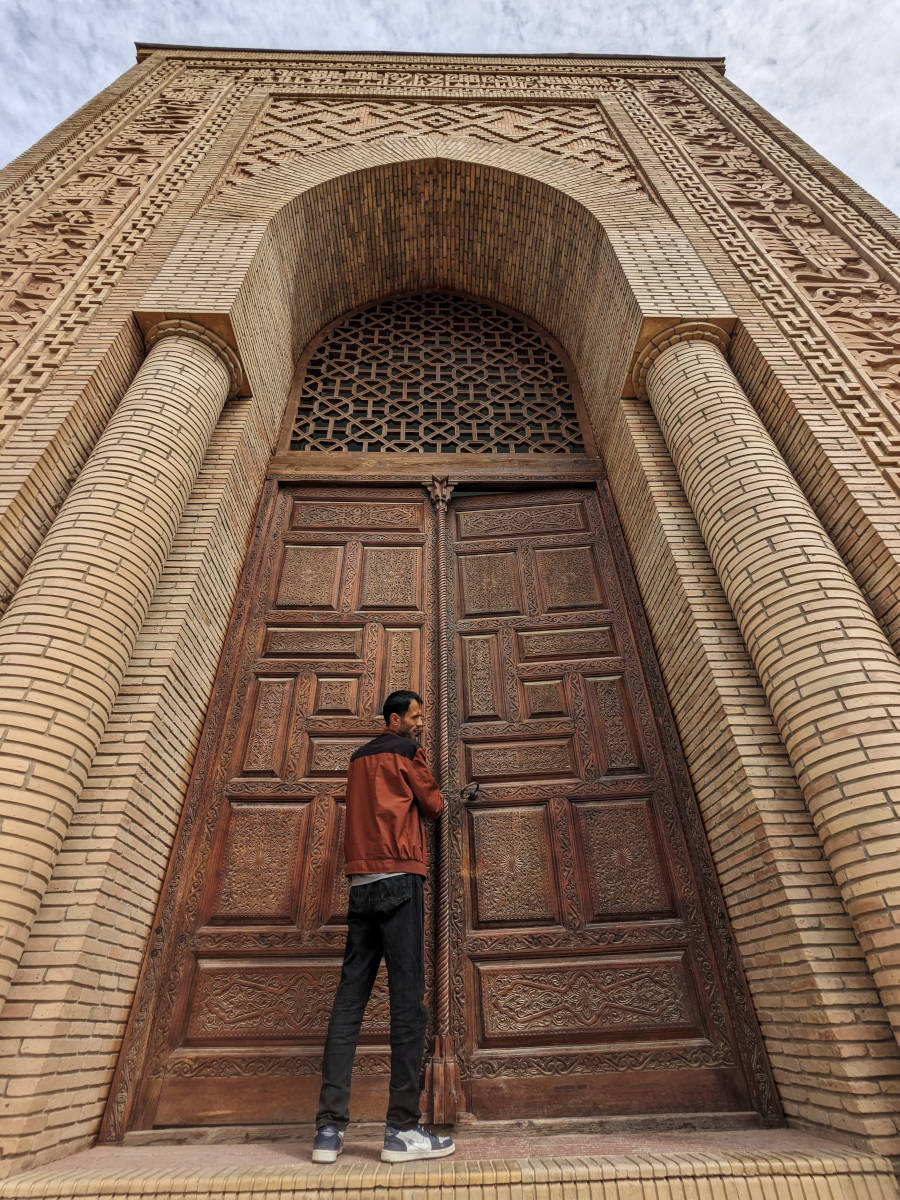
Archaeological excavations have revealed that the palace was richly decorated with carvings and wall paintings. The interior once included large halls, residential quarters and sophisticated features such as plumbing and heating systems, showing a high level of craftsmanship for its time.
In 2025, a group of archaeological sites associated with Ancient Khuttal, including the Hulbuk Palace, was officially inscribed on the UNESCO World Heritage List. These monuments represent the cultural diversity and historical importance of a medieval kingdom that was also a key location on trade routes linking Central Asia to the rest of the world.
Visit
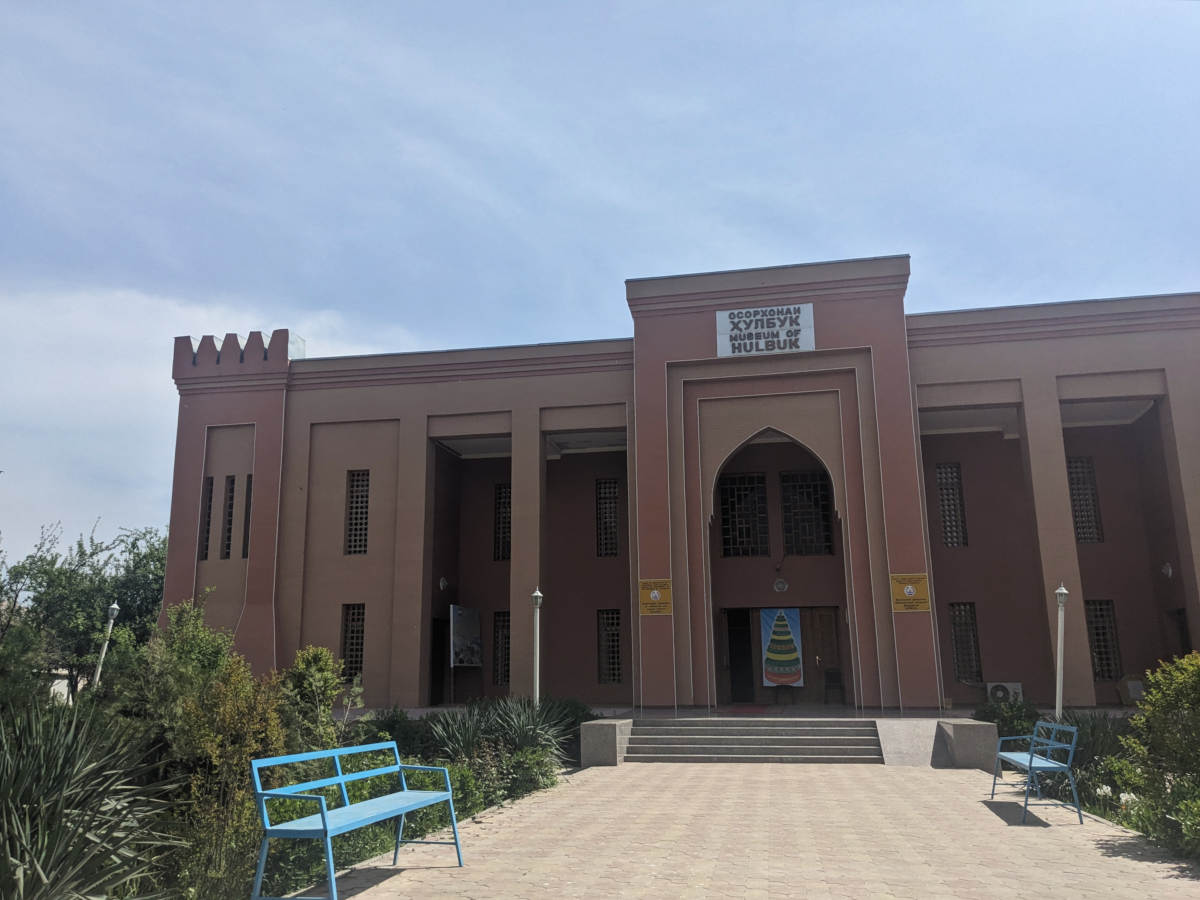
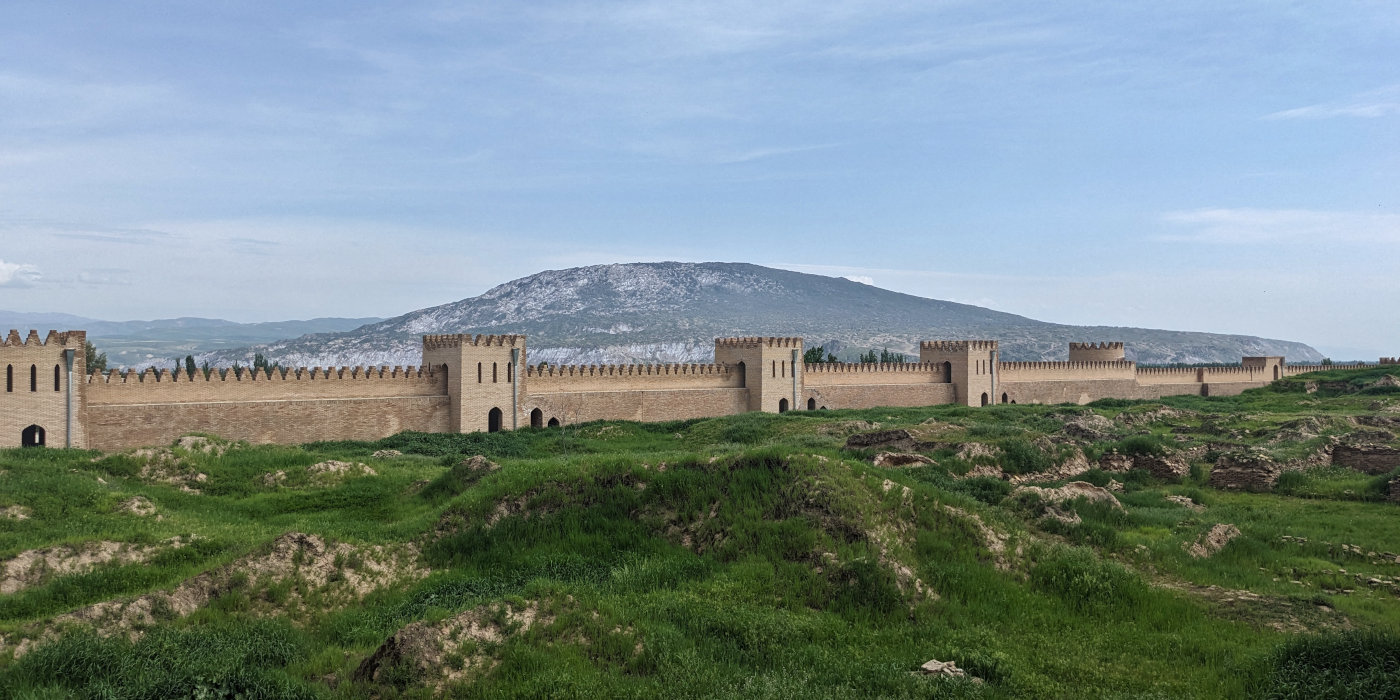
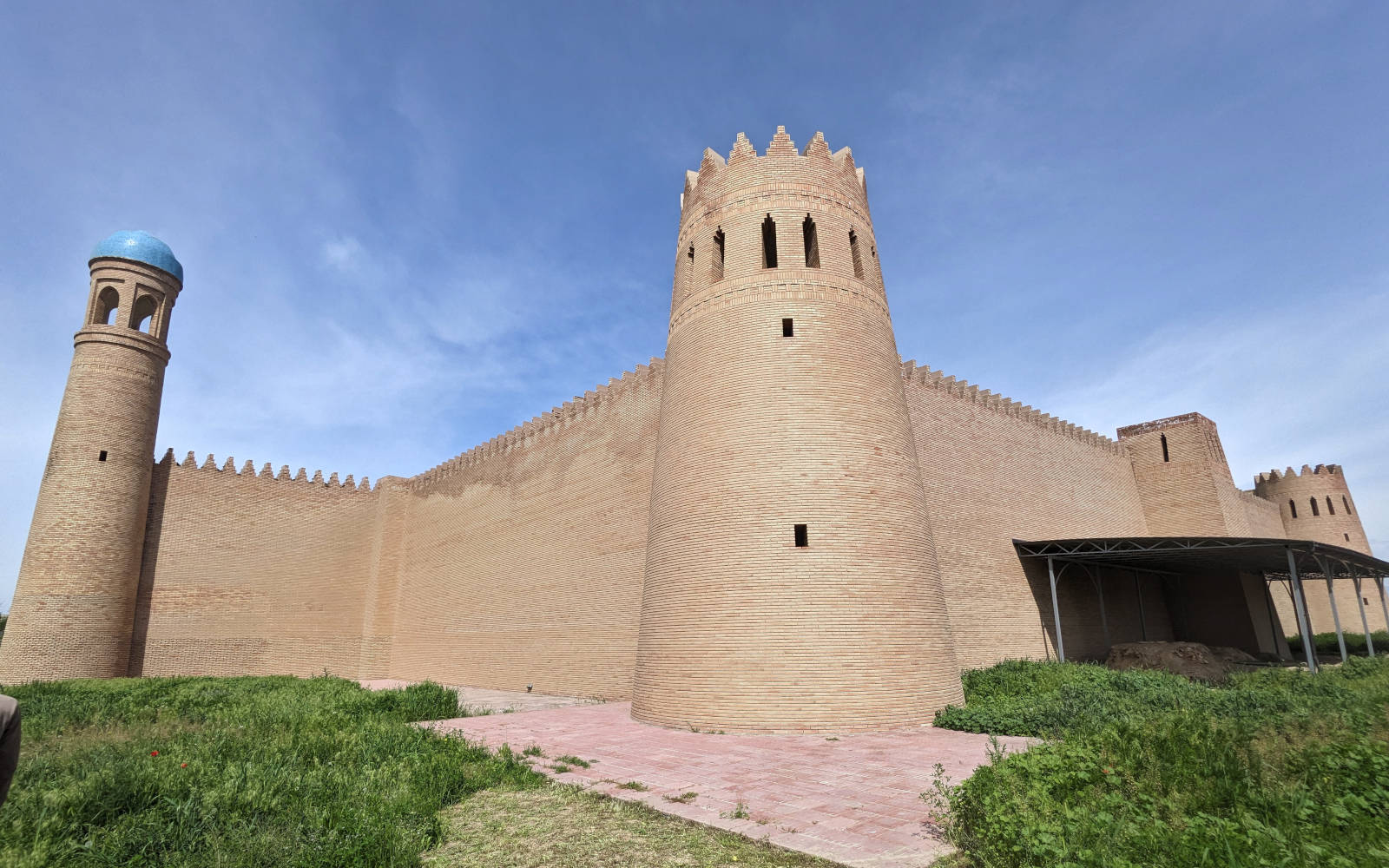
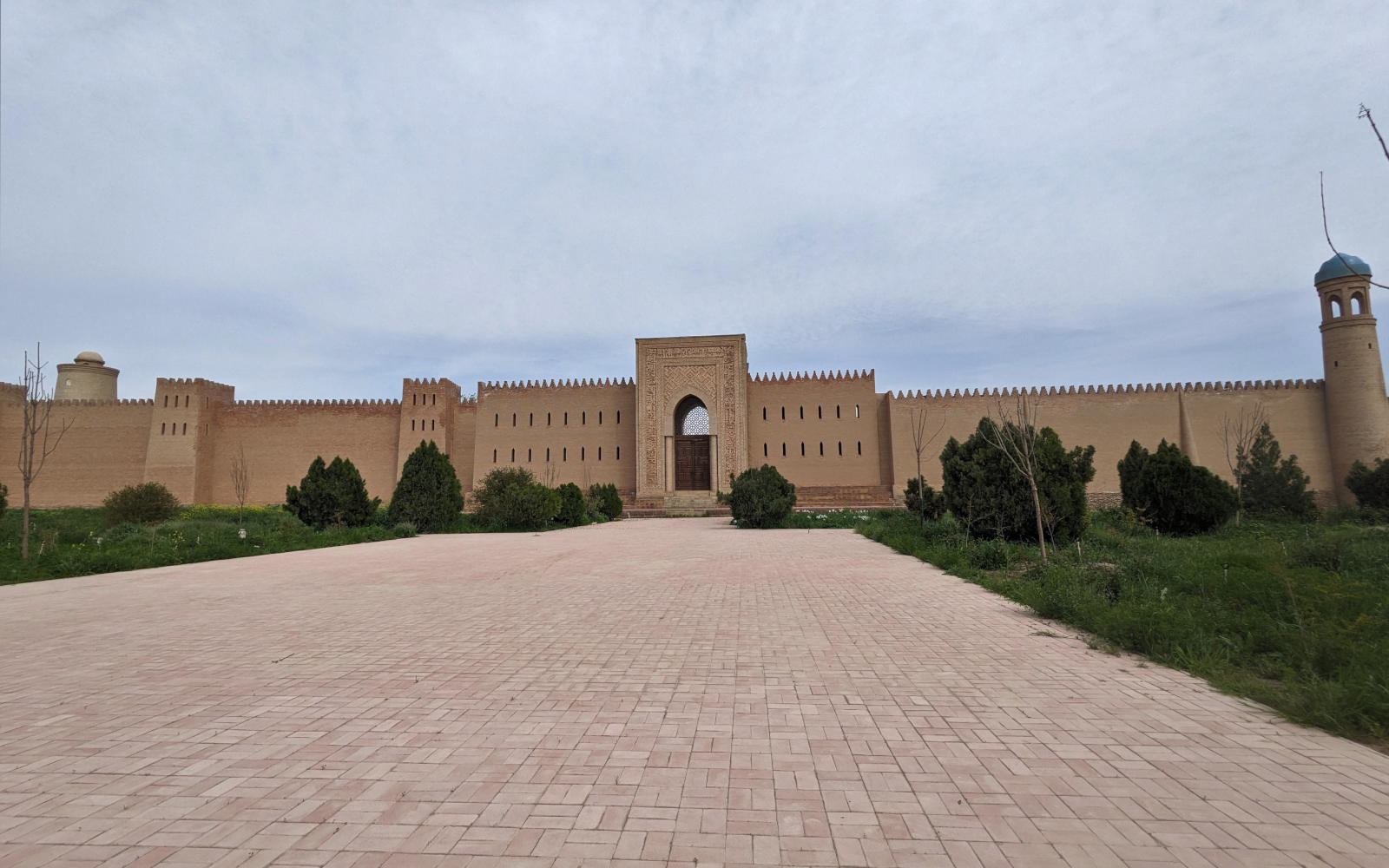
Today, Hulbuk is preserved as a historical site with reconstructed walls and some remaining original foundations. Opposite to the fortress is a small museum with artifacts found at the site, including everyday tools, pottery and jewelry.
The restored sections of the fortress, including most of the outer citadel walls, give a good sense of the original scale and layout of this once‑important medieval center.
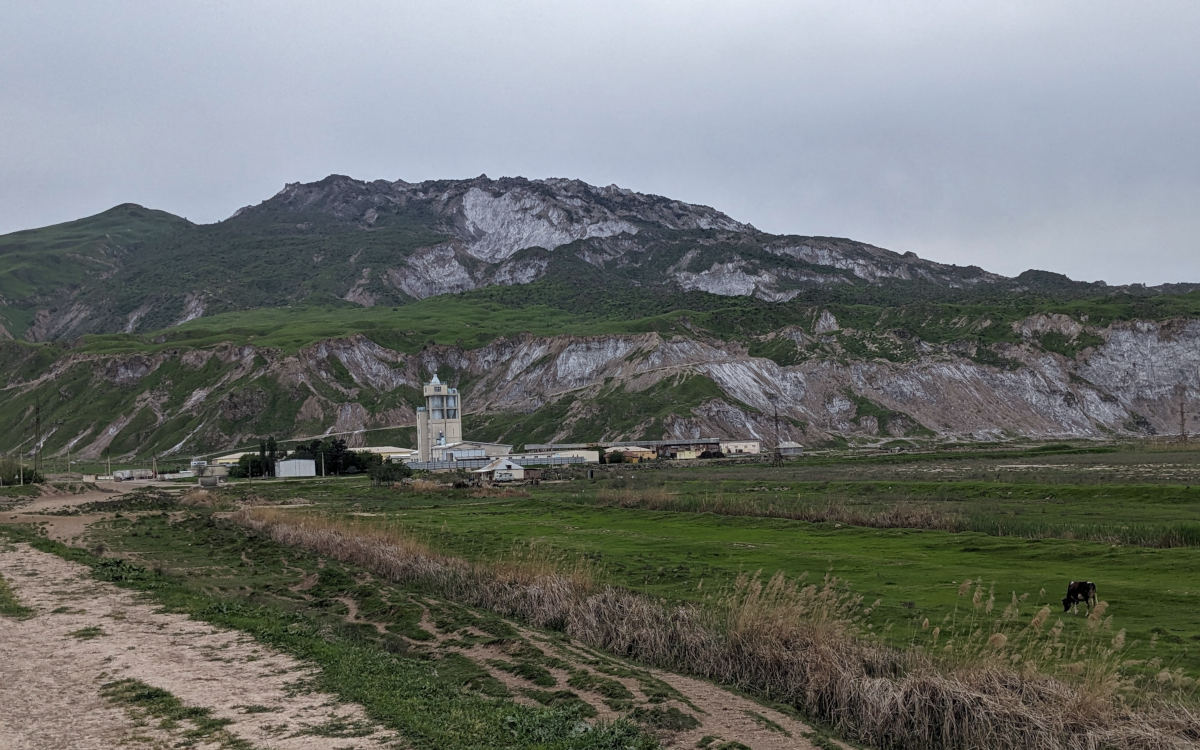
From the fortress, you can also see the Khoja Mumin salt mine as a gentle hill in the distance. This mining site has been important for the region for centuries and adds another layer of historical and economic context to the view from Hulbuk.
Altogether, Hulbuk Fortress is a nice stop when you are heading toward the Pamir Mountains or simply exploring southern Tajikistan. Be aware that the ruins lie inside the village of Mehrobod (also sometimes referred to as Kurban‑Shaid or Pingan), rather than inside the modern village of Hulbuk itself. Its location just off the main eastward routes means you can easily visit the place and gain some insight into the region’s long history before continuing your journey.