Wakhan Valley
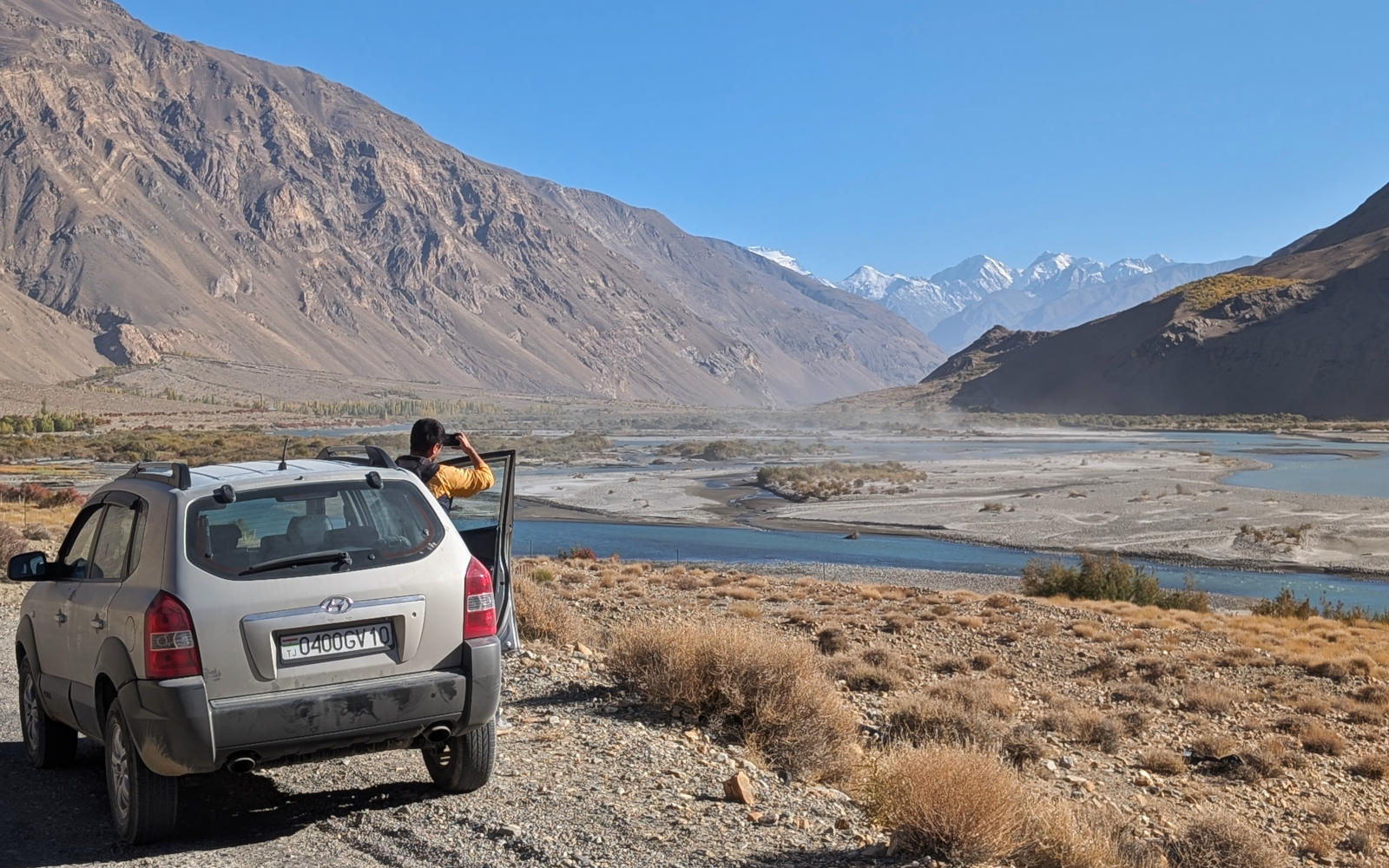
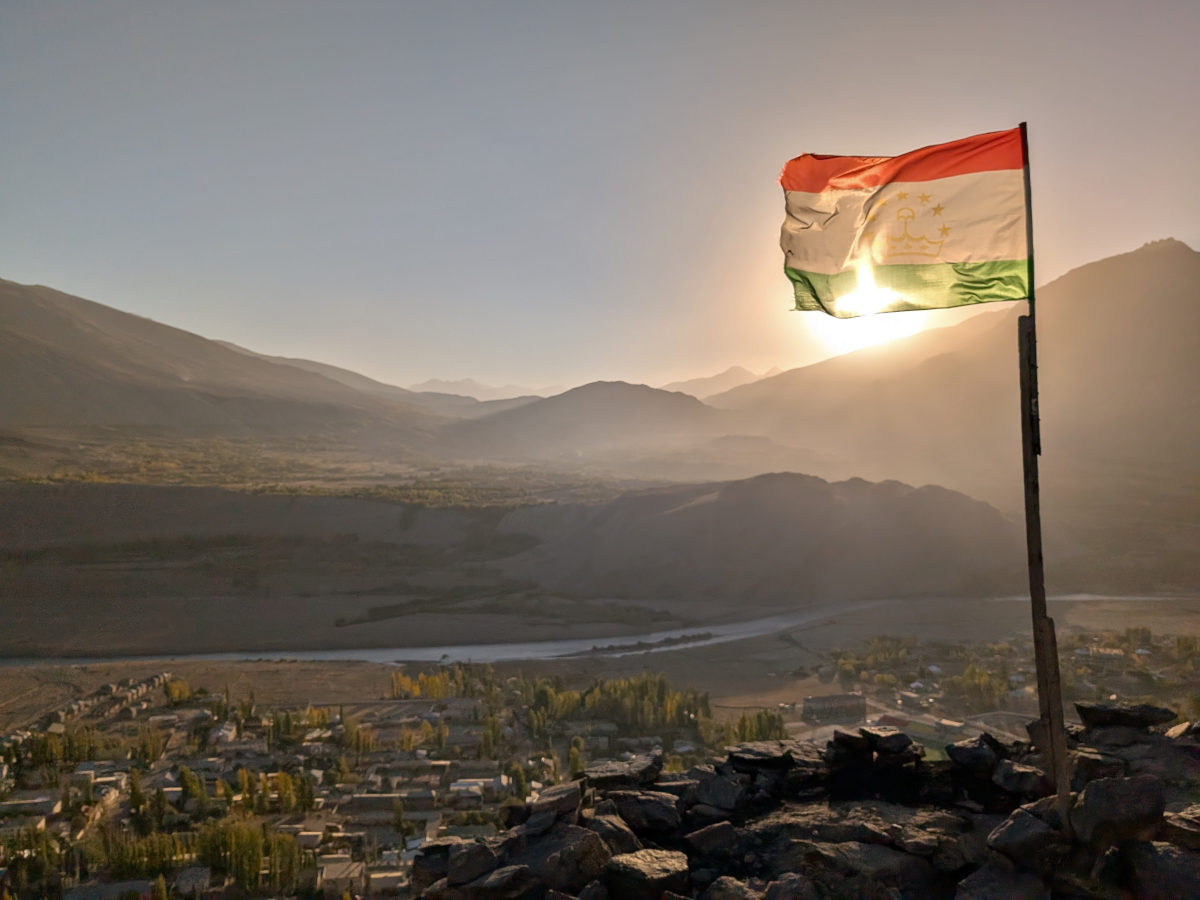
The Wakhan Valley, located in southeastern Tajikistan within the Ishkoshim District, follows the upper course of the Panj River along the border with Afghanistan. Forming part of the historic Wakhan Corridor, the valley is characterized by high mountain landscapes, remote settlements, and a concentration of cultural and historical sites. The combination of its stunning views, very hospitable inhabitants, natural hot springs and hiking opportunities makes it one of the most special regions of the Pamirs in Tajikistan.
Geograhpy
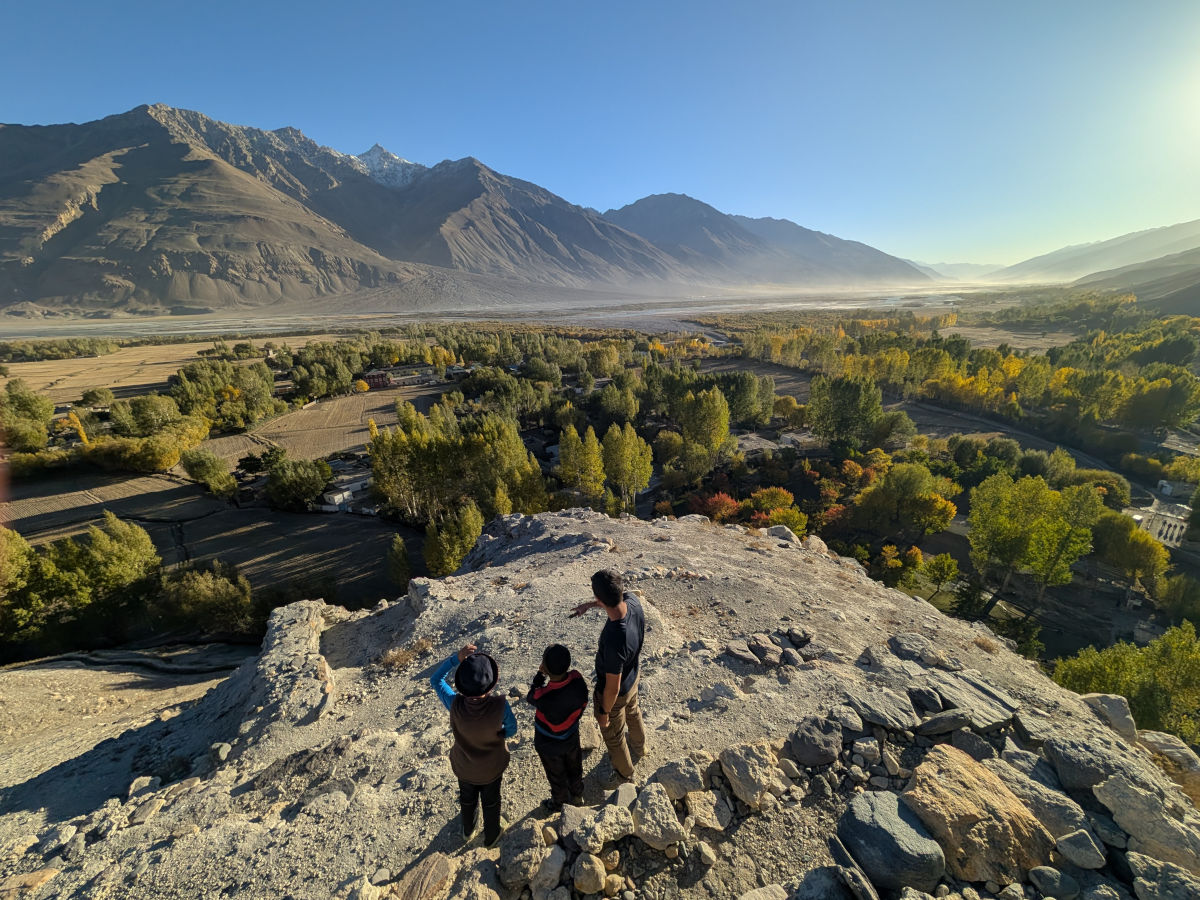
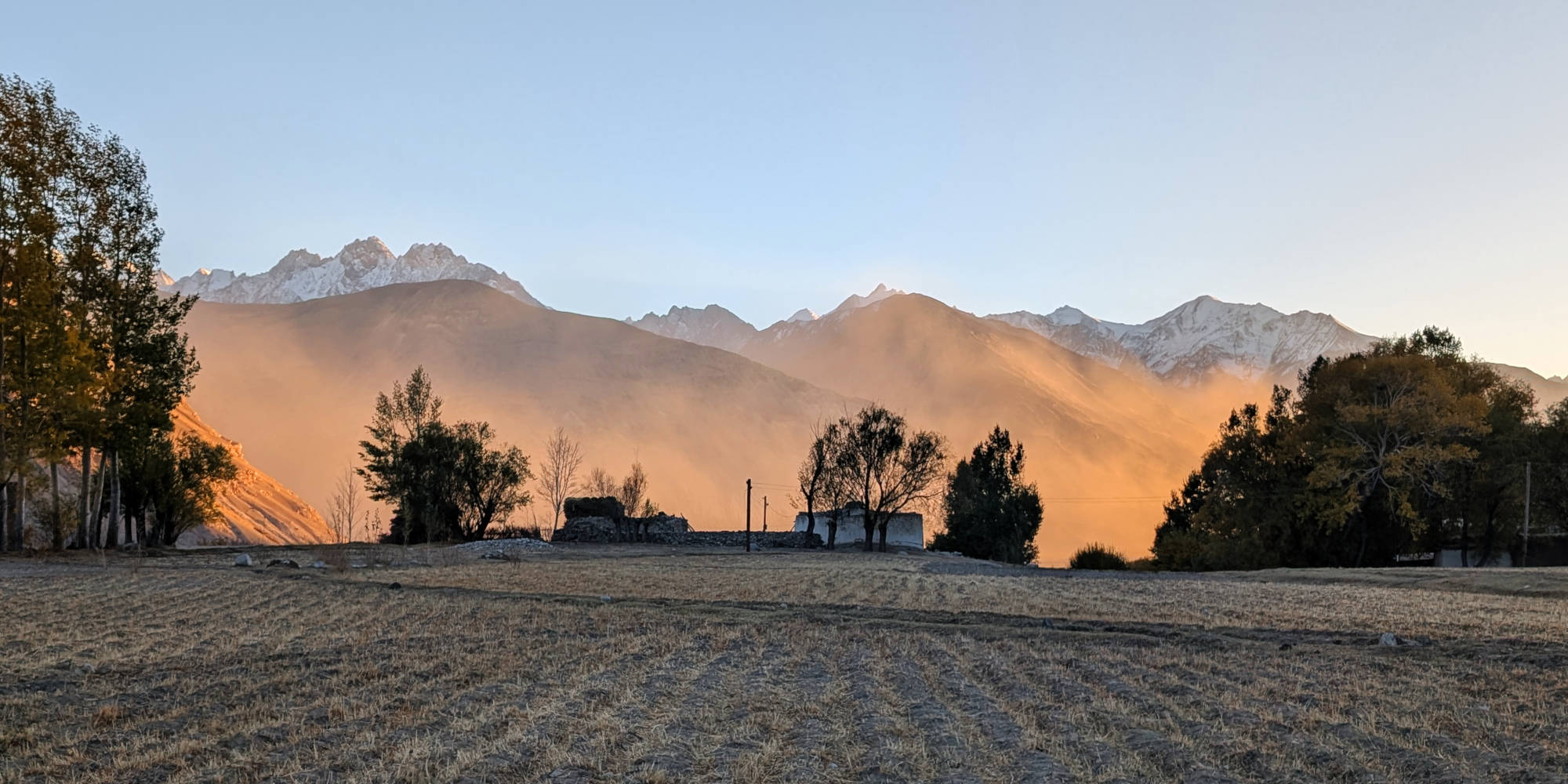
The Wakhan Valley, sometimes referred to as the Wakhan Corridor, is one of the most iconic and evocative regions of the Pamir Mountains in Tajikistan. Officially, the Tajik part of the Wakhan lies within the Ishkoshim District, but in practice the name “Wakhan Valley” is commonly used to describe the entire cultural and geographic corridor stretching along both sides of the river, including the Afghan side.
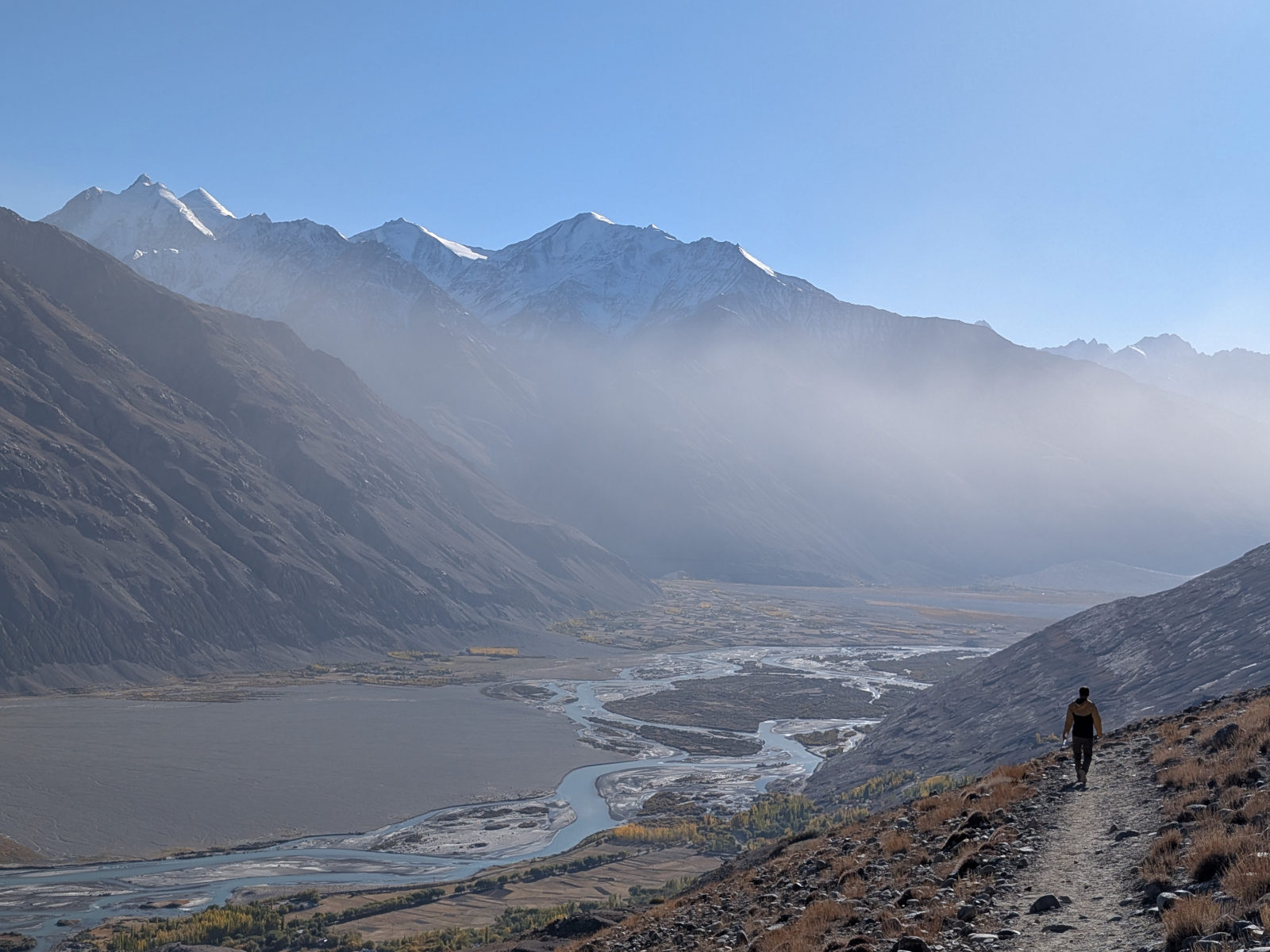
The valley follows the upper reaches of the Panj River, which forms the border between Tajikistan and Afghanistan. From here, the Wakhan Corridor continues eastward deep into Afghan territory, creating a narrow buffer between Tajikistan and Pakistan. The setting is dramatic. The fast-flowing Panj cuts through rugged mountain landscapes, with peaks up to 7.000 meters rising on all sides. While travelling along the Panj River, these towering summits can be seen across borders, extending as far as northern Pakistan.
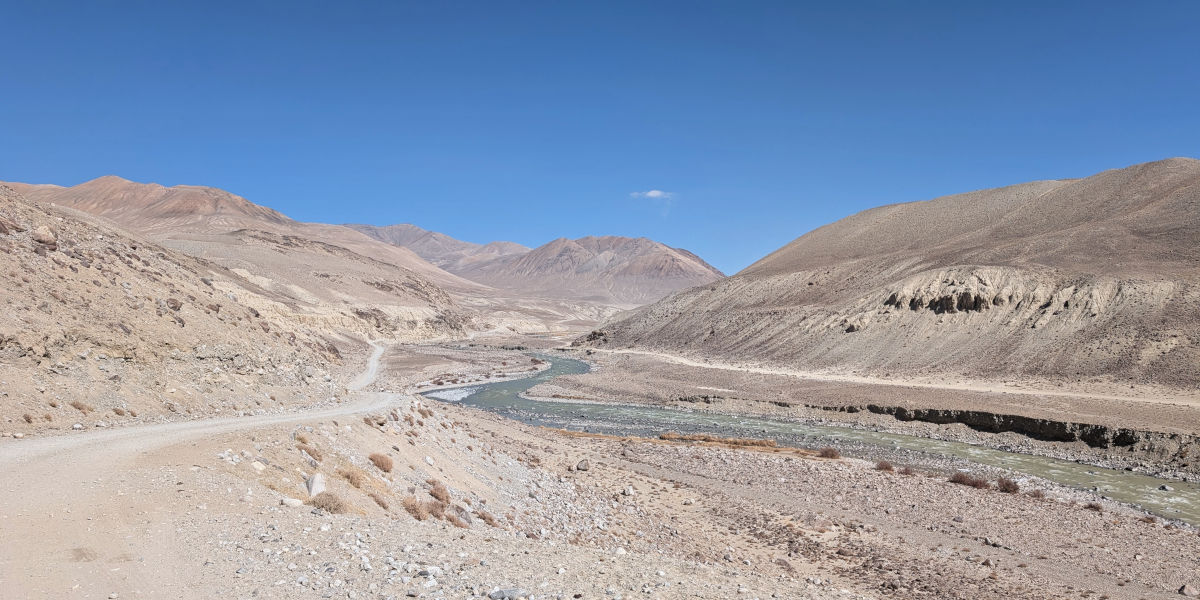
The character of the Wakhan Valley changes noticeably along its length. The downstream sections are greener, with cultivated fields and trees, while farther east the landscape becomes increasingly barren and uninhabited as it rises toward the high-altitude deserts of the eastern Pamirs.

Culture
The Wakhi people are an indigenous ethnic group living along the upper Panj River in both Tajikistan and Afghanistan. They speak Wakhi (or Wakhani), an Eastern Iranian language, and maintain a distinct cultural identity. Most Wakhi are Ismaili Muslims, followers of the Aga Khan, which influences local customs and religious practices.
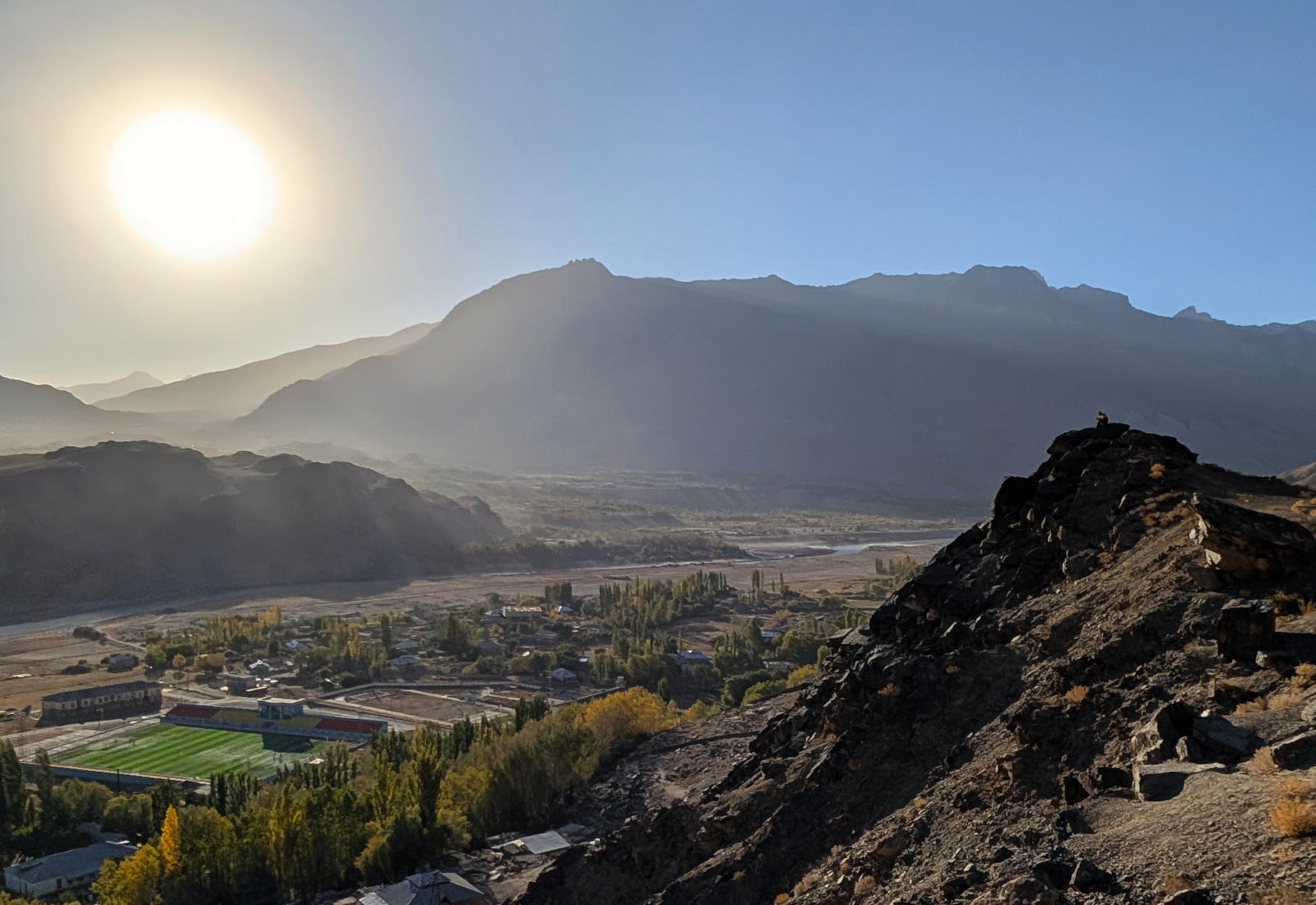
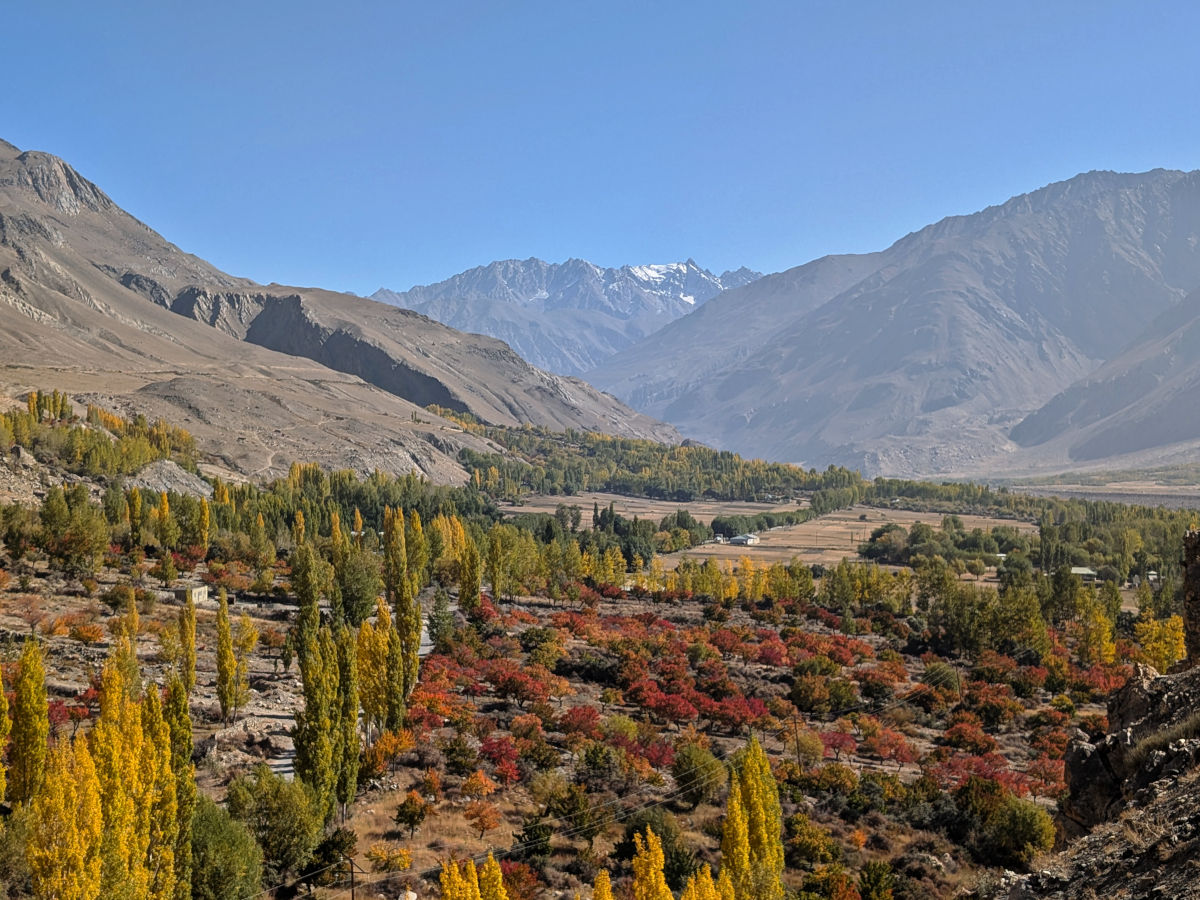
Agriculture and livestock are central to daily life in this remote region. The Wakhi villages are typically built along river terraces, with houses made of stone to withstand harsh winters. Along the Panj and irrigated fields near villages, there are impressive trees including willows, poplars, apricot, apple and walnut trees, which thrive where meltwater is diverted for agriculture and gardening. These trees help define the cultivated landscapes of most settlements. Away from the villages, the natural vegetation becomes sparser and more arid, with shrubs and drought-tolerant grasses dominating the higher slopes and remote areas.


Historic Sites
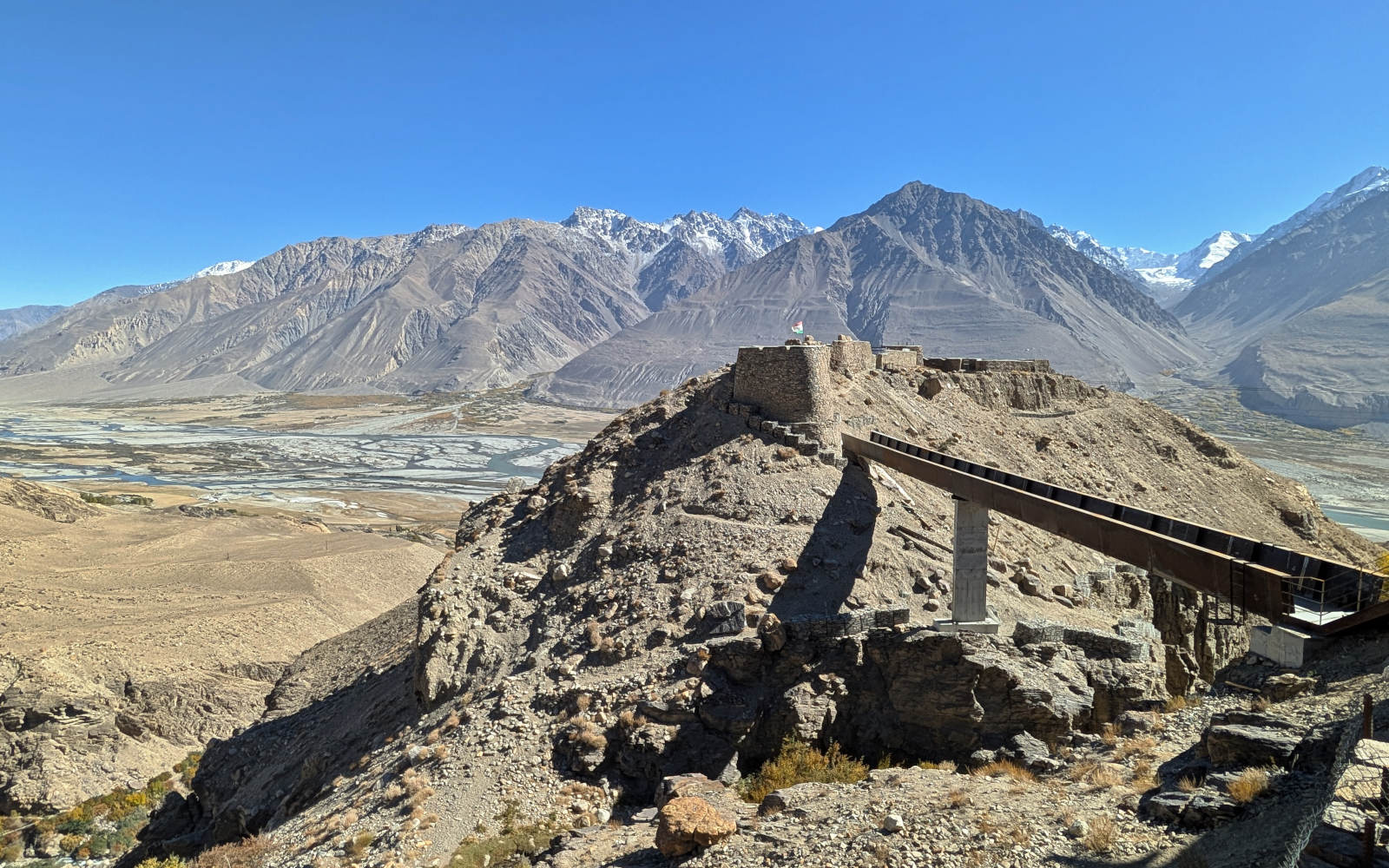
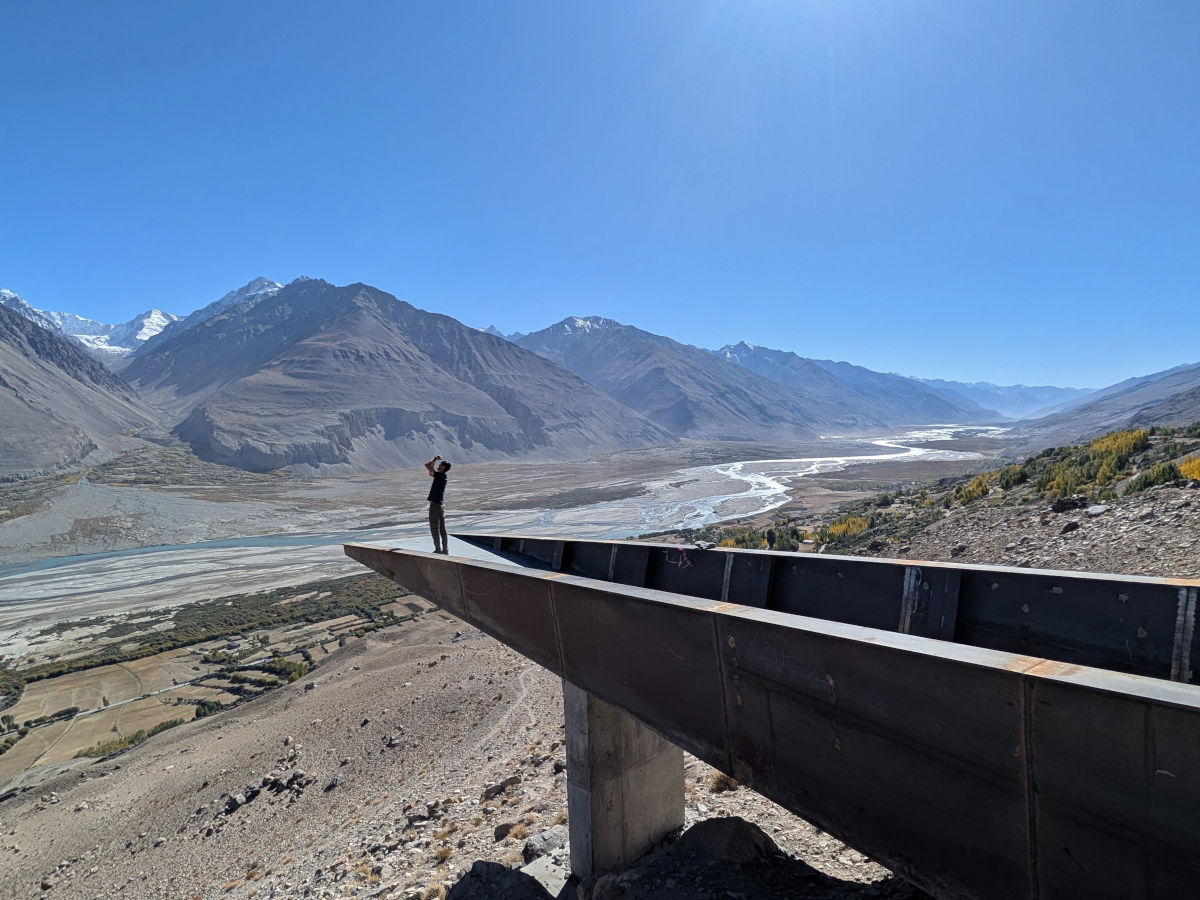
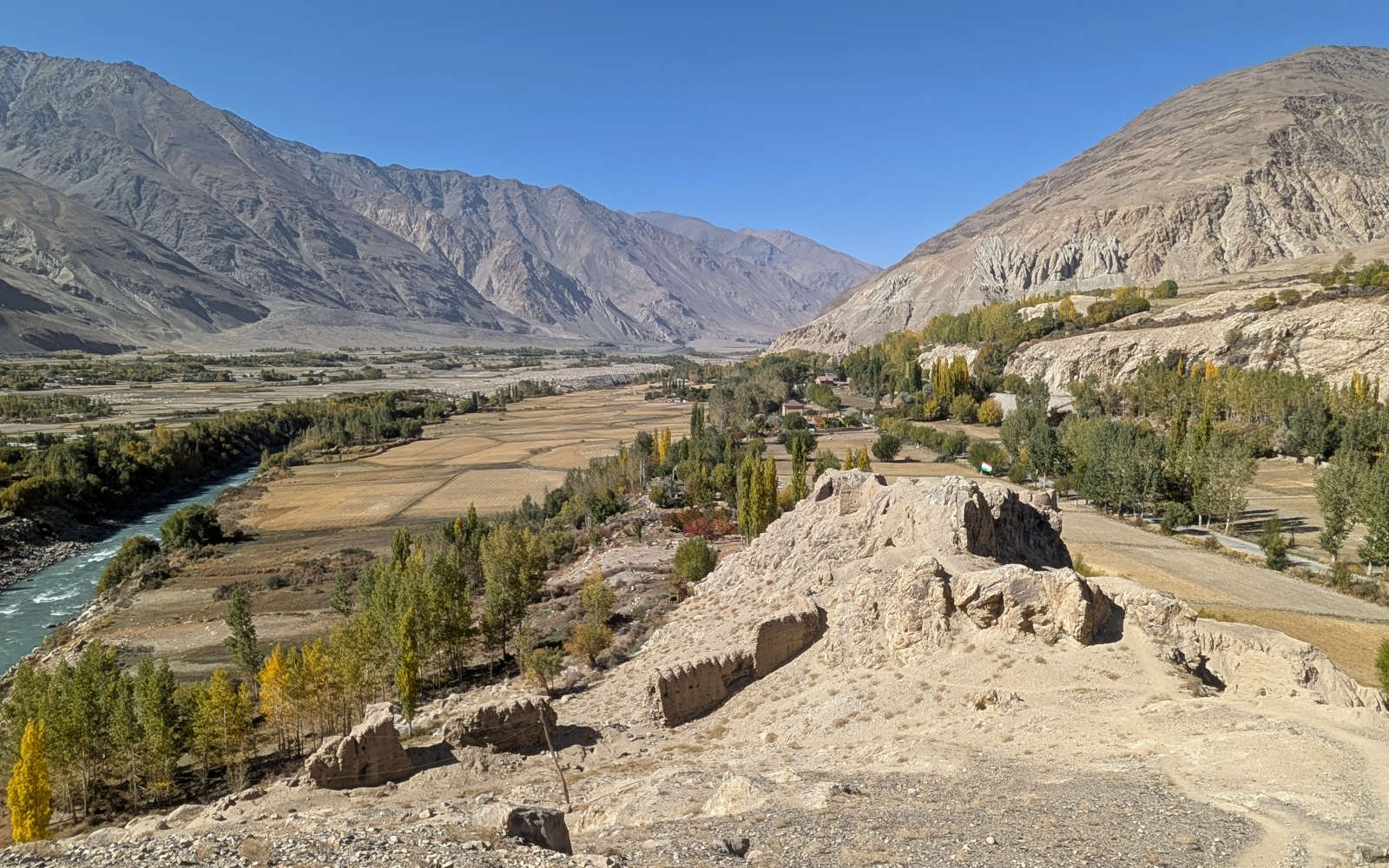
Scattered throughout the valley are the remains of numerous historic fortresses, once part of the defensive network controlling trade routes along the Panj. Sites include the fortresses of Yamchun, Ishkashim, Kahkaha (Qah Qaha), Darshai, Vrang Abrashim Qala and Ratm. With the exception of Yamchun Fort, which has been partially restored, most survive only as ruins. Even so, their elevated positions on cliffs and slopes offer exceptional views over the valley and river below. The region also preserves traces of much older history. Remnants from the Buddhist period reflect the Wakhan’s role as a cultural crossroads along early Silk Road routes.
Hot Springs
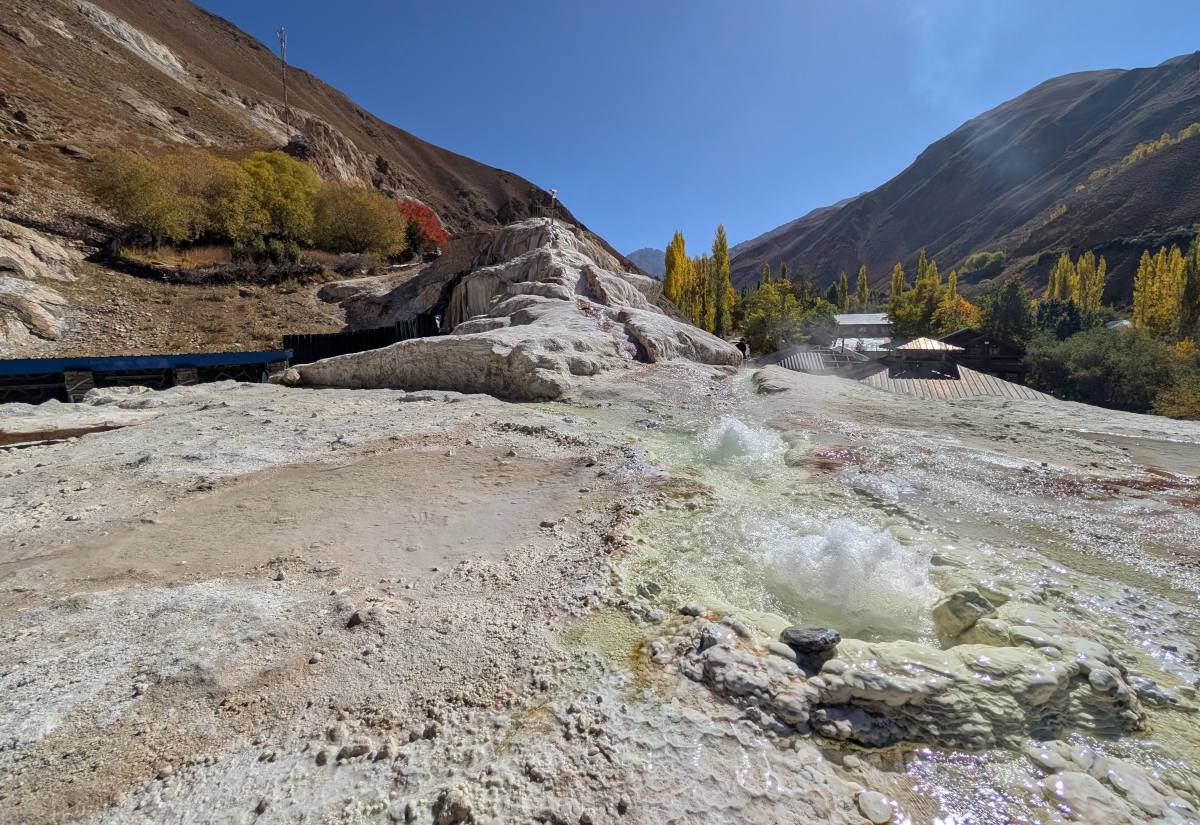
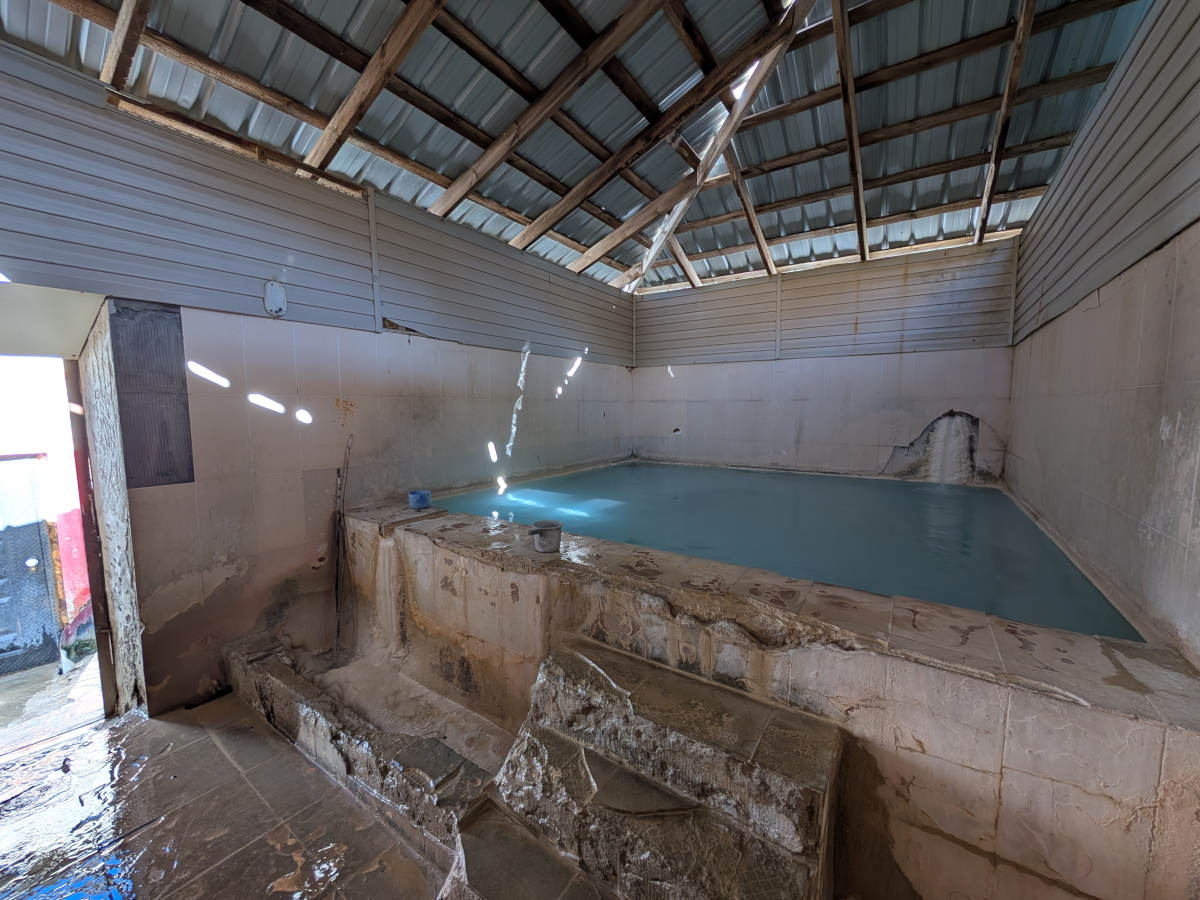
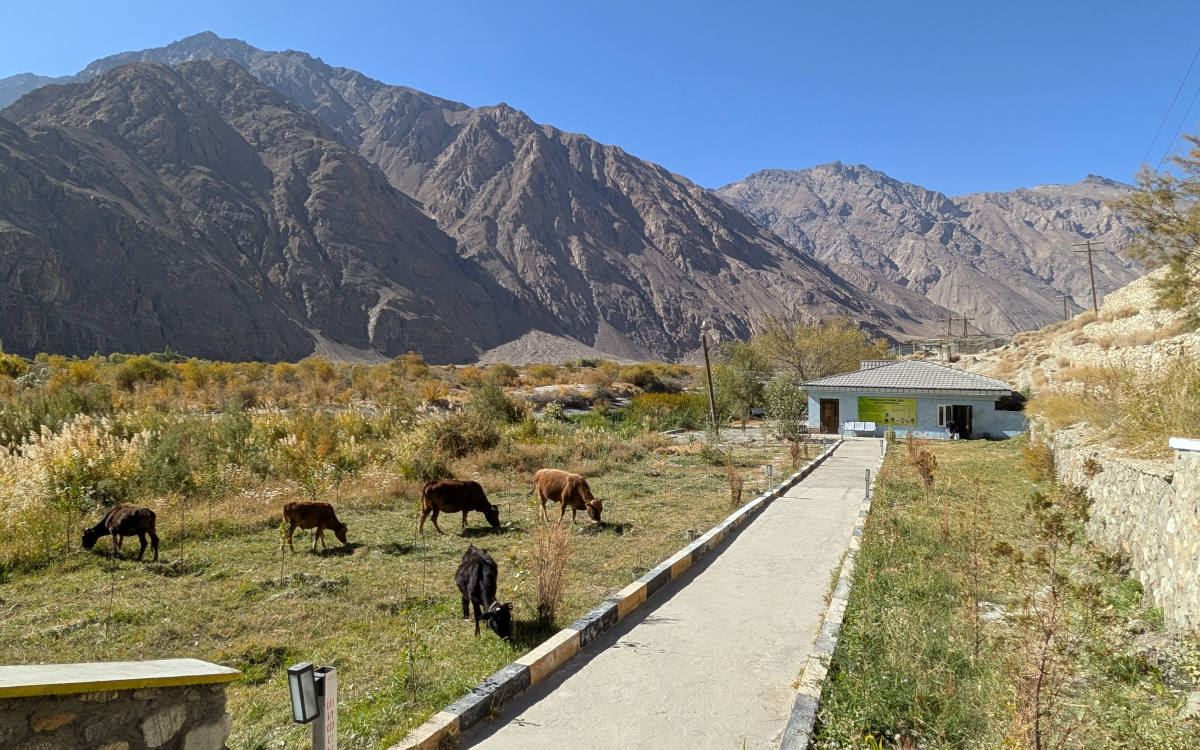
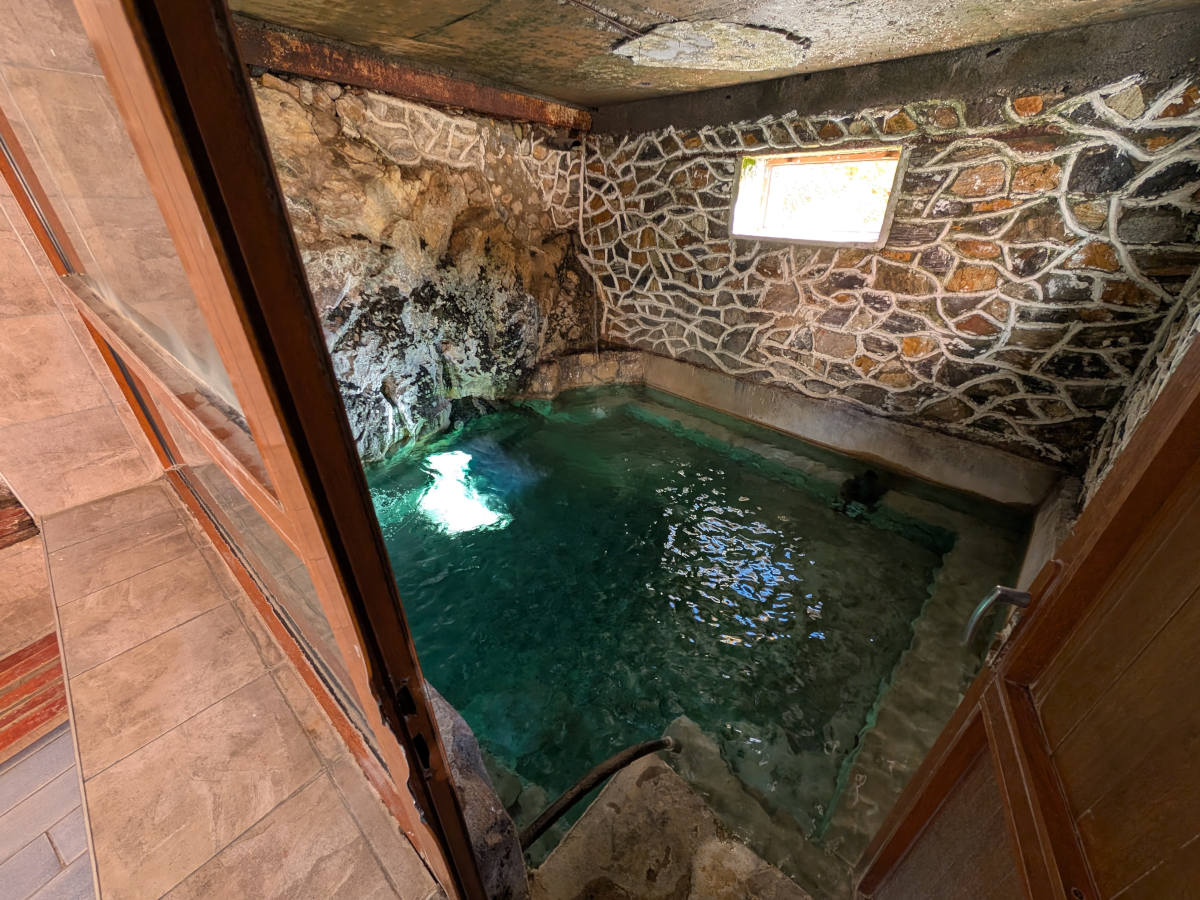
The Wakhan Valley is notable for its hydrothermal activity. Numerous natural hot springs are used both by locals and visitors. The best known are Garmchashma (Darmadar), famous for its large white travertine formations. Avj is considerably less hot, but renowned for its richness in minerals. The Bibi Fatima hots prings are located above Yamchun Fort. These springs are traditionally visited for health purposes and are accessible for a small entrance fee. Basic accommodation is available nearby at all these locations.
Visit
Entry into the Wakhan Valley is possible via Khorog from the west or via the Kargush Pass from the eastern Pamirs. There is a single road along the Panj River that connects these two entry points. Accommodation can be found in larger villages such as Ishkoshim and Langar, mainly in the form of guesthouses. Near Ishkoshim, there is also a border market with Afghanistan, although access is currently not permitted for foreign visitors.
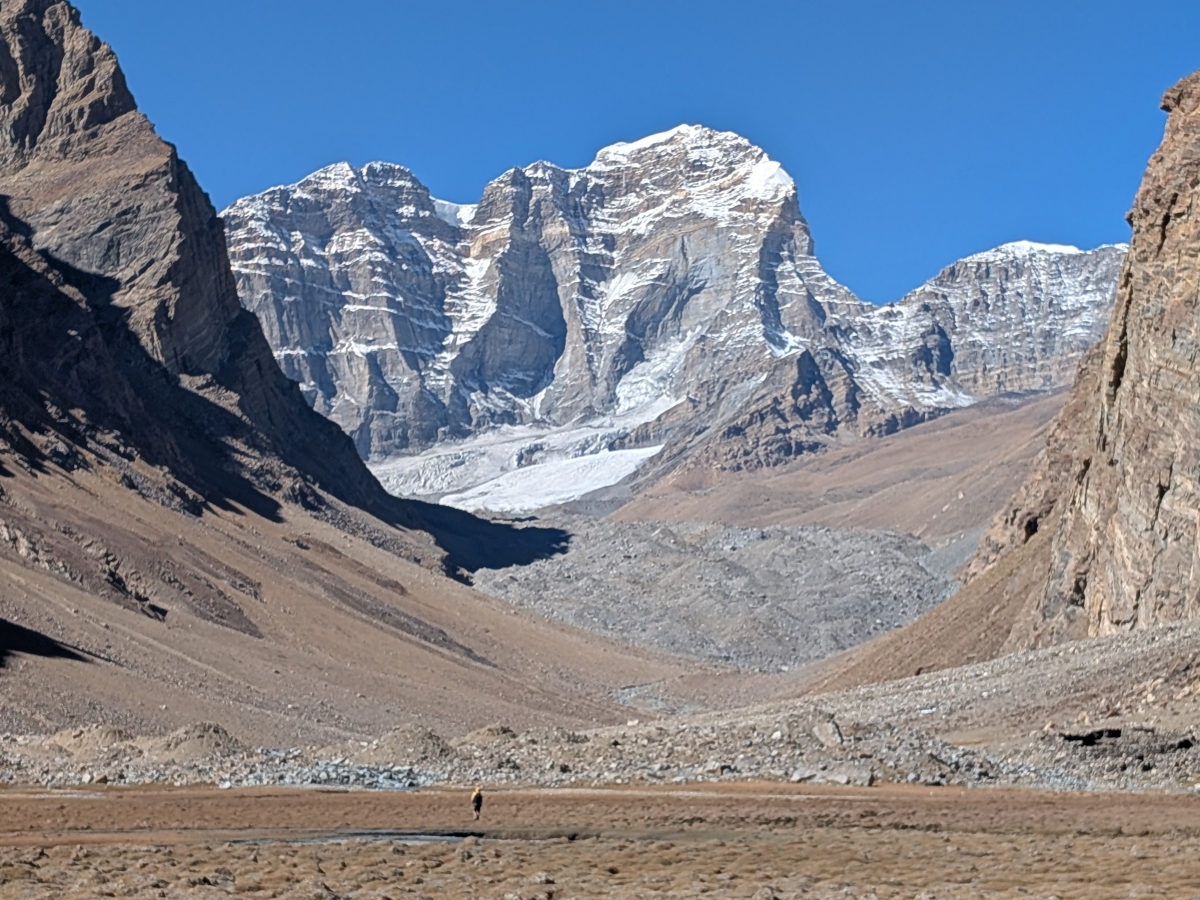
For hikers, the Wakhan Valley offers a range of scenic routes. One of the most rewarding is the hike to Engels Meadows, situated below Engels Peak, one of the highest mountains in the southern Pamirs of Tajikistan. The hike is long and demanding, but it provides constantly expanding views over the Wakhan Valley and ends in a high-altitude meadow setting that feels remarkably remote and peaceful.
While the valley offers many individual points of interest, it is ultimately the overall atmosphere, grandeur of the nature, and sense of remoteness that make a visit to the Wakhan area such a memorable experience. Are you interested to visit the Wakhan Valley? Then do not hesitate to contact us for assistance in organizing a trip and exploring this unique region of Tajikistan.