Murghob District
Murghob District is the largest and most remote district in Tajikistan, occupying much of the eastern Pamirs. Characterized by vast high-altitude plateaus and a harsh continental climate, the region sits at elevations almost entirely above 3.500 meters. Unlike the greener western Pamirs, Murghob is defined by vast desert landscapes, sparse vegetation and long distances between settlements. Its isolation, combined with unique natural conditions and a distinct cultural landscape, makes Murghob one of the most striking and unique regions of the country.
Geography
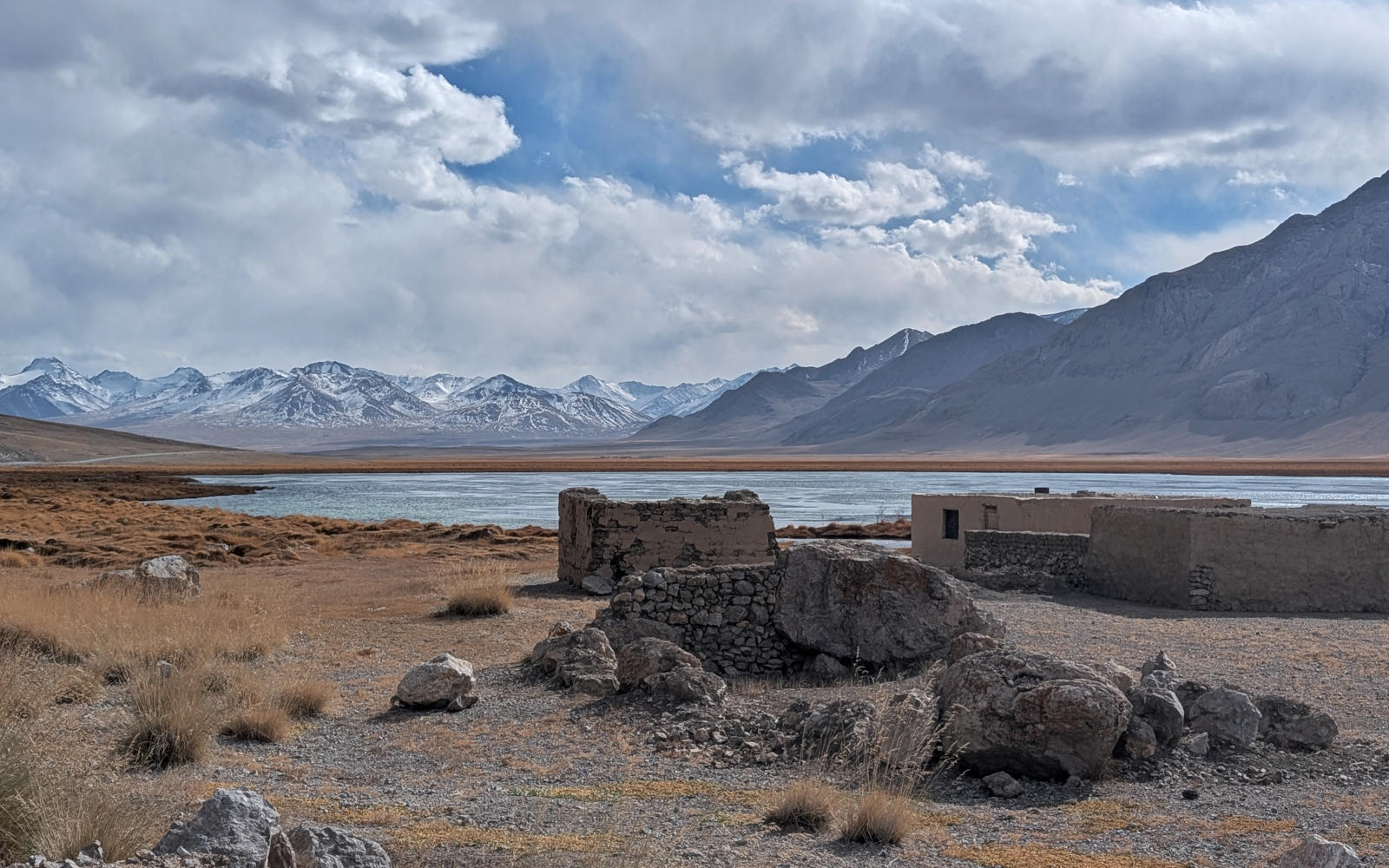
Murghob District (also written as Murghab) is the highest and most extreme region of Tajikistan, covering a vast portion of the eastern Pamir Mountains. The geology of Murghob District is shaped by the ongoing collision of the Indian and Eurasian tectonic plates, which has uplifted the eastern Pamirs into a vast high-altitude plateau cut by deep fault systems. Immense open plains stretch for tens of kilometers. Peaks rise sharply above the high plains, with some exceeding 6.000 meters, and are interspersed with wide valleys and gently sloping ridges.
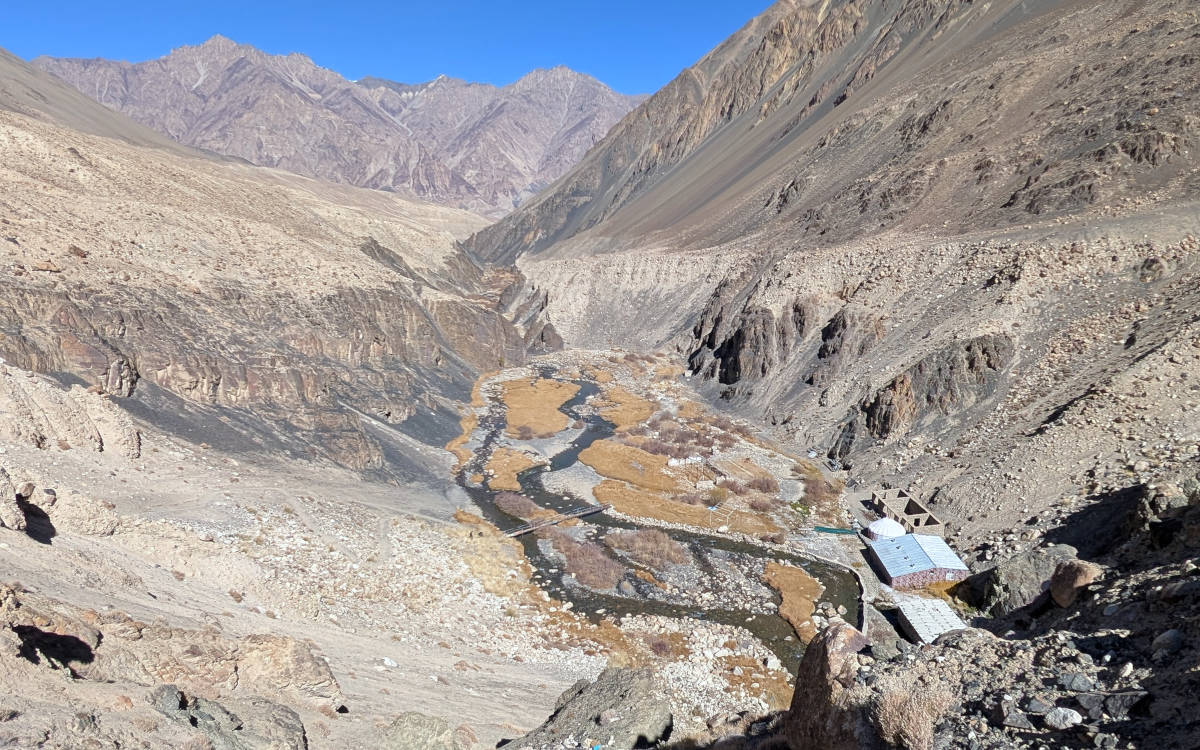
The region’s extreme aridity and lack of vegetation leave rock layers, ridges and erosion patterns clearly exposed across the landscape. Along some of the fault zones, hydrothermal activity brings mineral-rich groundwater to the surface in the form of hot and warm springs, which are traditionally used by local communities for bathing and health purposes.
Unlike the dramatic, steep valleys of the western Pamirs, the terrain in Murghob is much wider and exposed. Murghob offers a relentless environment unlike anywhere else in the country. For travelers seeking the most remote and adventurous experience Tajikistan has to offer, Murghob is the destination to absolutely visit.


Climate
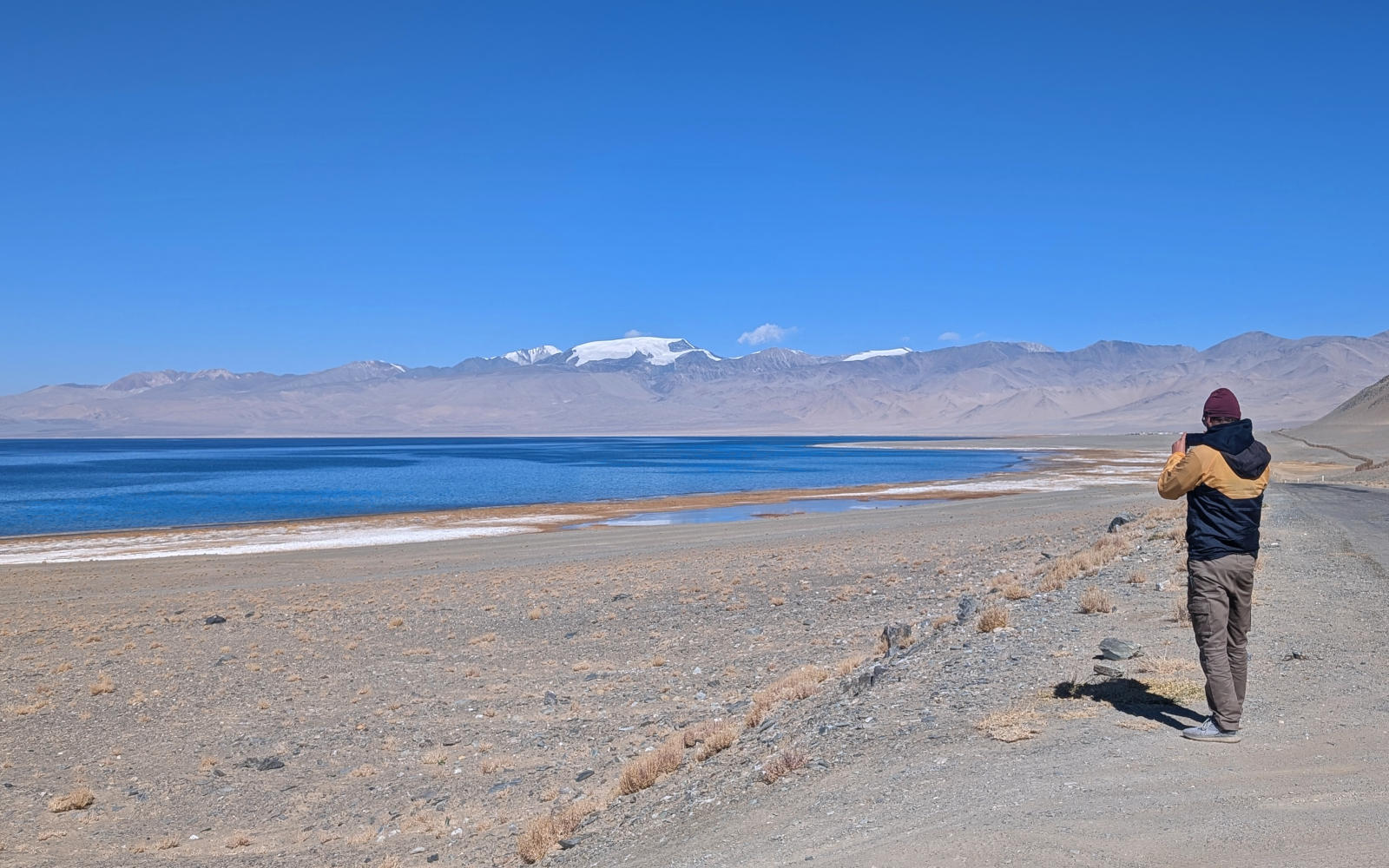
The landscapes of Murghob are dominated by high-altitude cold deserts at a base elevation of around 4.000 meters. Precipitation is extremely low. Despite the high altitude, snow is not guaranteed even in mid-winter, as moisture rarely reaches this part of the Pamir Mountains. Temperatures are extremely cold, particularly in winter, when frosts and subzero conditions dominate, while even in summer, nights remain very chilly.
Vegetation is correspondingly sparse. Only a few highly resilient shrubs and grasses survive, while trees are virtually absent. These conditions contribute to a harsh climate, with strong winds, sudden weather changes and occasional dust or sand whirlwinds sweeping across the plains.
Nature
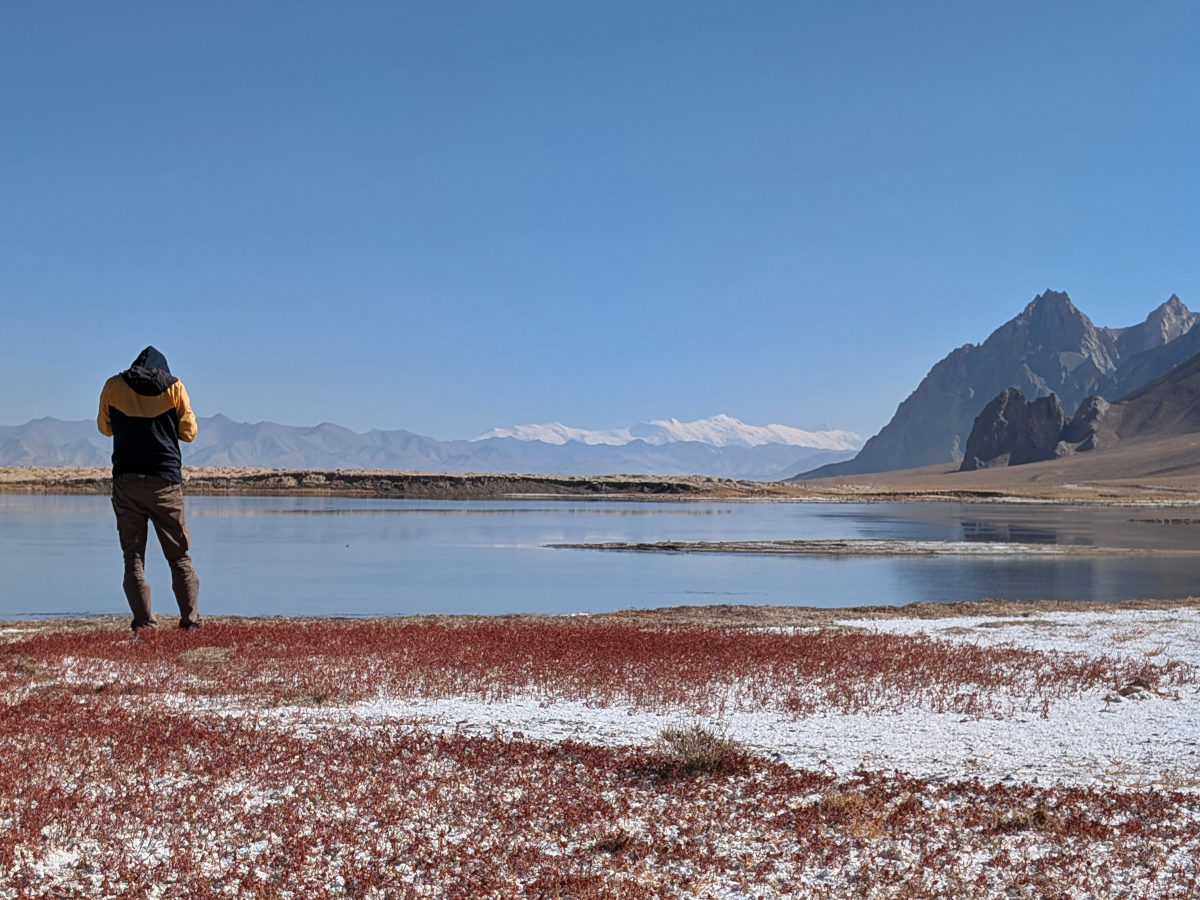
The towering mountain ranges, expansive plateaus and remote lakes in the Murghob District create a unique environment that is both harsh and breathtaking.
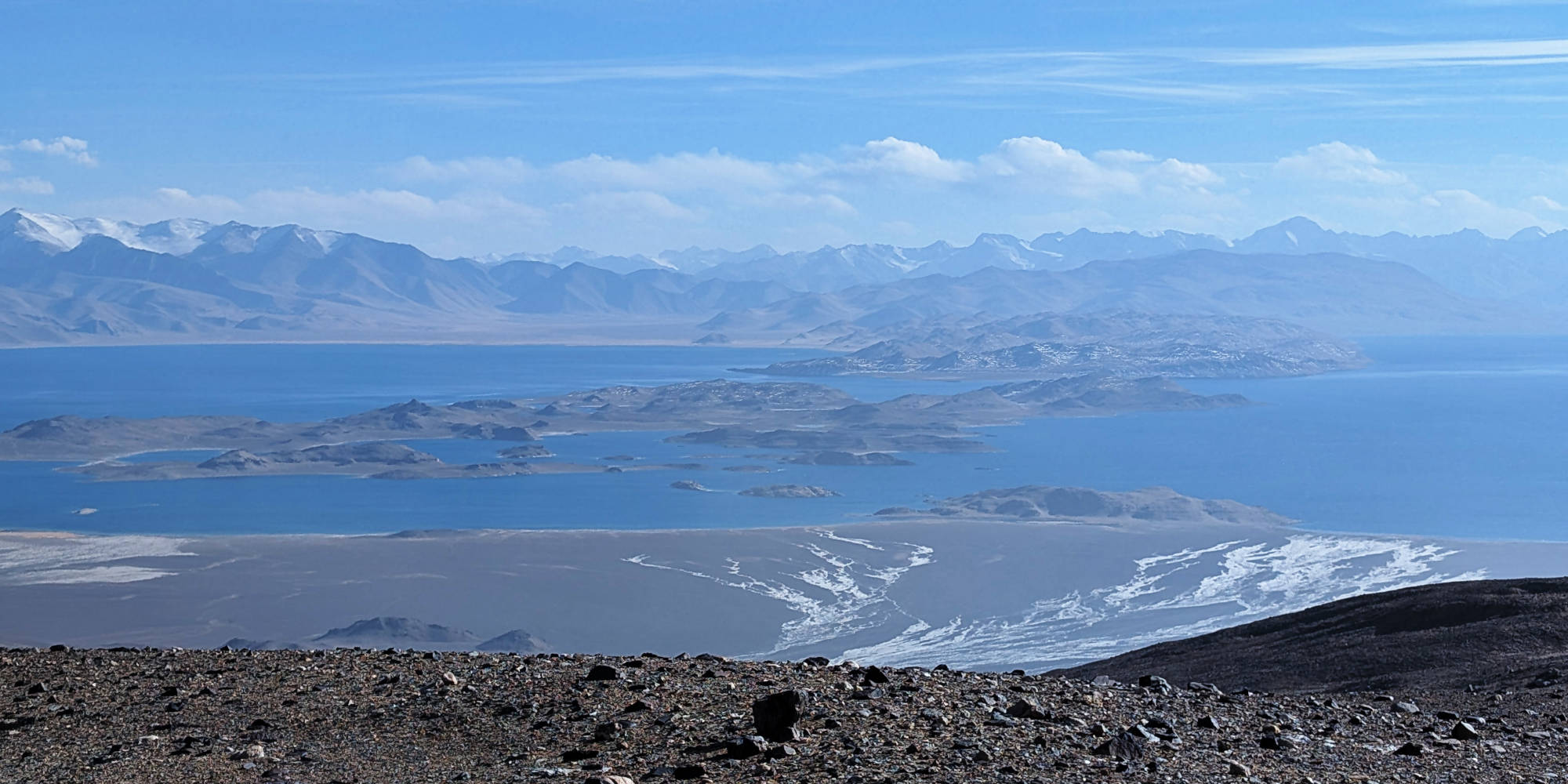
Among the district’s most notable lakes, Karakul stands out as one of the largest and most iconic. Situated at around 3.900 meters, this lake occupies a massive ancient meteorite crater, offering dramatic views of the surrounding Pamir peaks. Other significant high-altitude lakes include Yashilkul, known for its vivid colors, with the nearby smaller lakes of Bulunkul, Tuzkul and Sasyk-Kul.
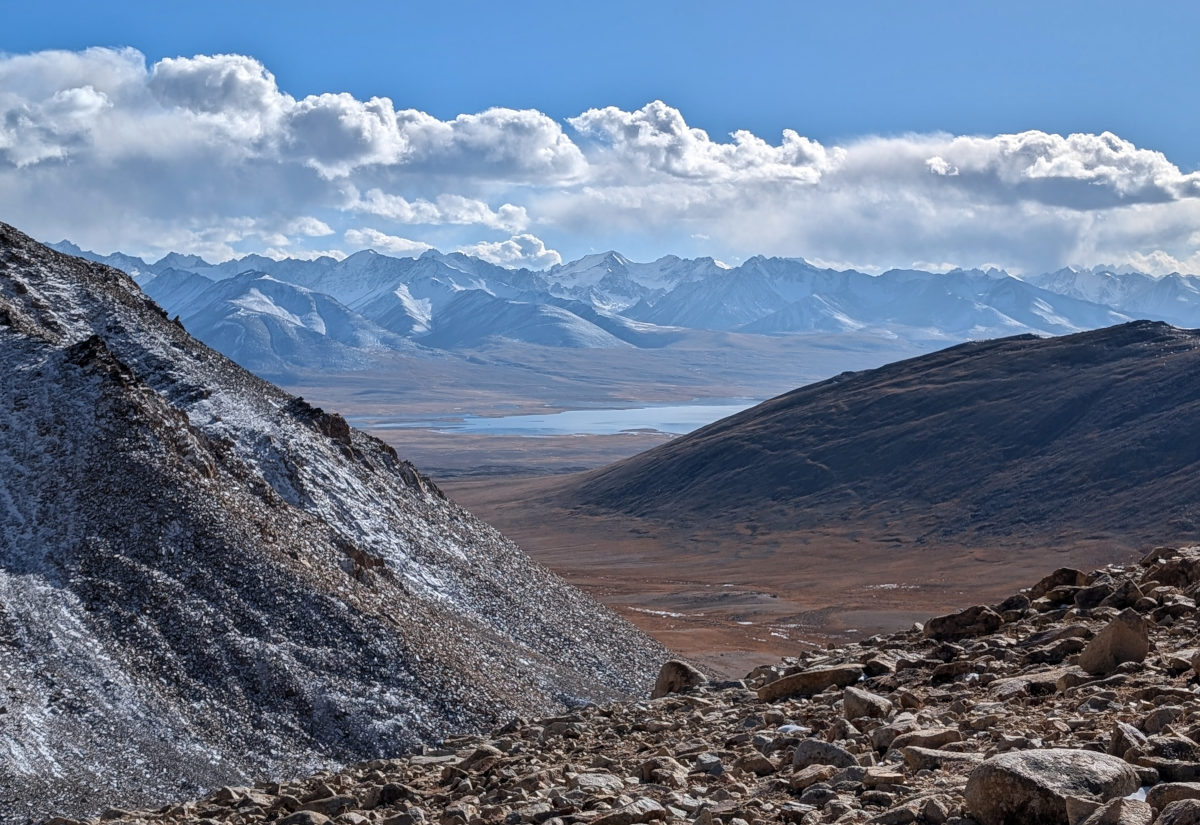
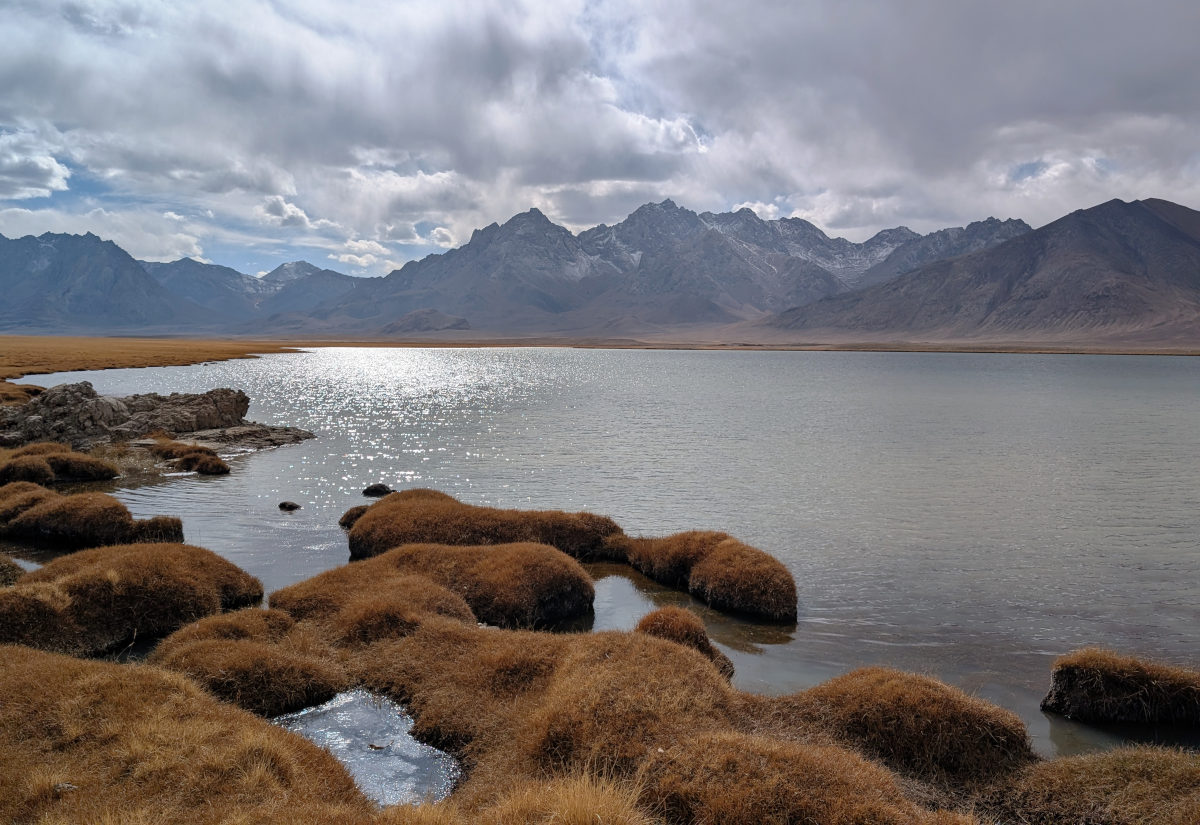
Zorkul lies near the border with Afghanistan and is a key site for migratory birds. Hiking up to Bel Ayrik Pass provides nice views over Zorkul. The list of impressive lakes is very long, also including for example Rangkul, Shorkul, Koluchkul and Qizilqurum. These lakes are often ringed by small wetlands or pasturelands, supporting wildlife and grazing livestock in an otherwise arid landscape.


Another notable feature is the Ak-Bura meteorite crater, located in a remote area about halfway between Murghob and the Qulma Pass. Meteorite craters are relatively common in the Pamirs, as the region’s extremely low precipitation, limited vegetation, and minimal erosion help preserve impact features over long periods. However, most of these craters lie in very isolated locations and are difficult to access. Even Lake Karakul, one of the most prominent landmarks in the eastern Pamirs, is itself formed within a massive ancient meteorite impact crater.

Vegetation in Murghob is sparse and highly specialized due to the extreme altitude and arid climate. Despite the harsh conditions and lack of vegetation, the region is home to various wildlife, including the Marco Polo sheep, ibex, wolfs, snow leopards, and a variety of migratory and high-altitude birds, particularly around lakes like Zorkul and Rangkul. Though most animals are hard to actually spot, it does make Murghob a remarkable destination for nature enthusiasts and wildlife observers.

Historic Sites
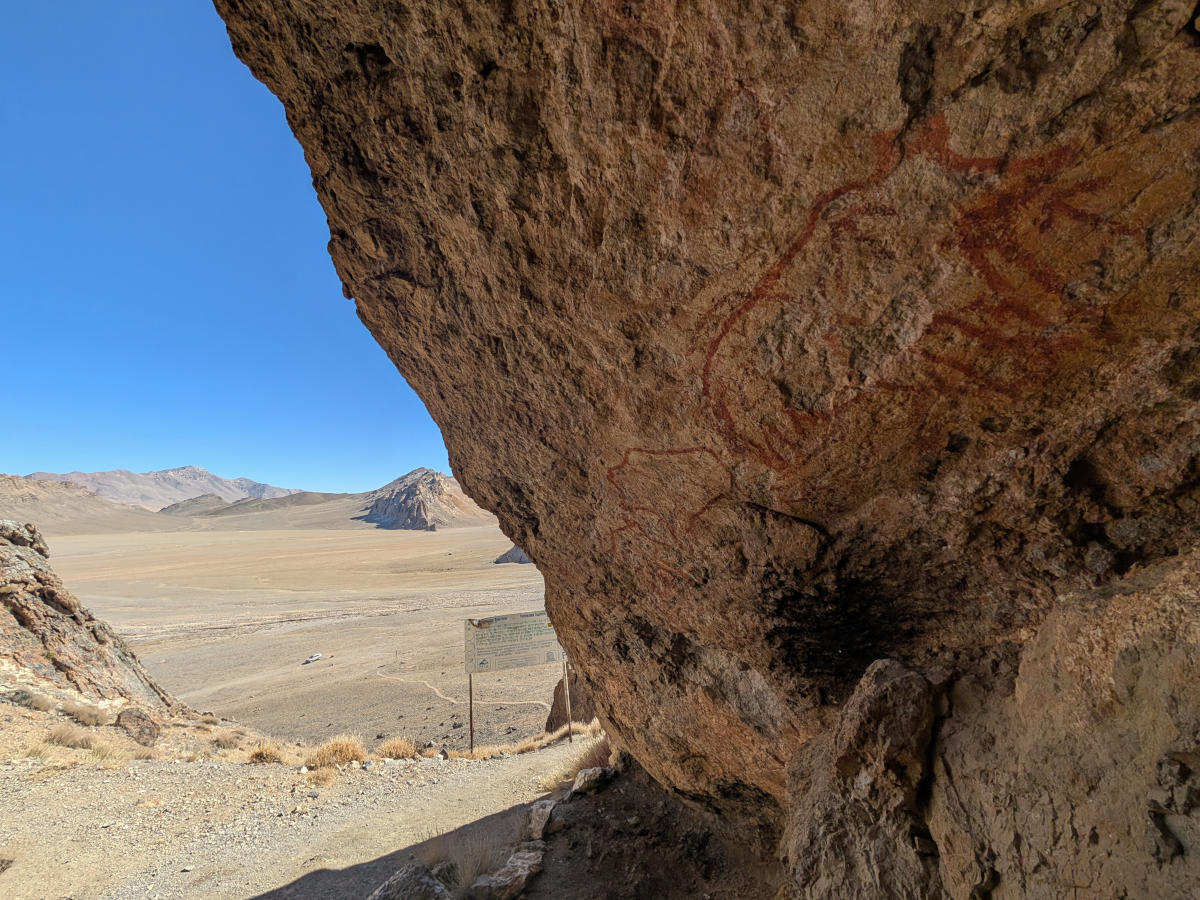
Despite its remote and seemingly empty landscapes, Murghob contains several sites of historical, archaeological and scientific interest. One of the most significant is the Shakhty Petroglyphs, a collection of ancient rock paintings depicting animals, hunting scenes and symbolic figures. These petroglyphs provide rare insight into prehistoric life in the eastern Pamirs and suggest that human presence in the region dates back thousands of years.
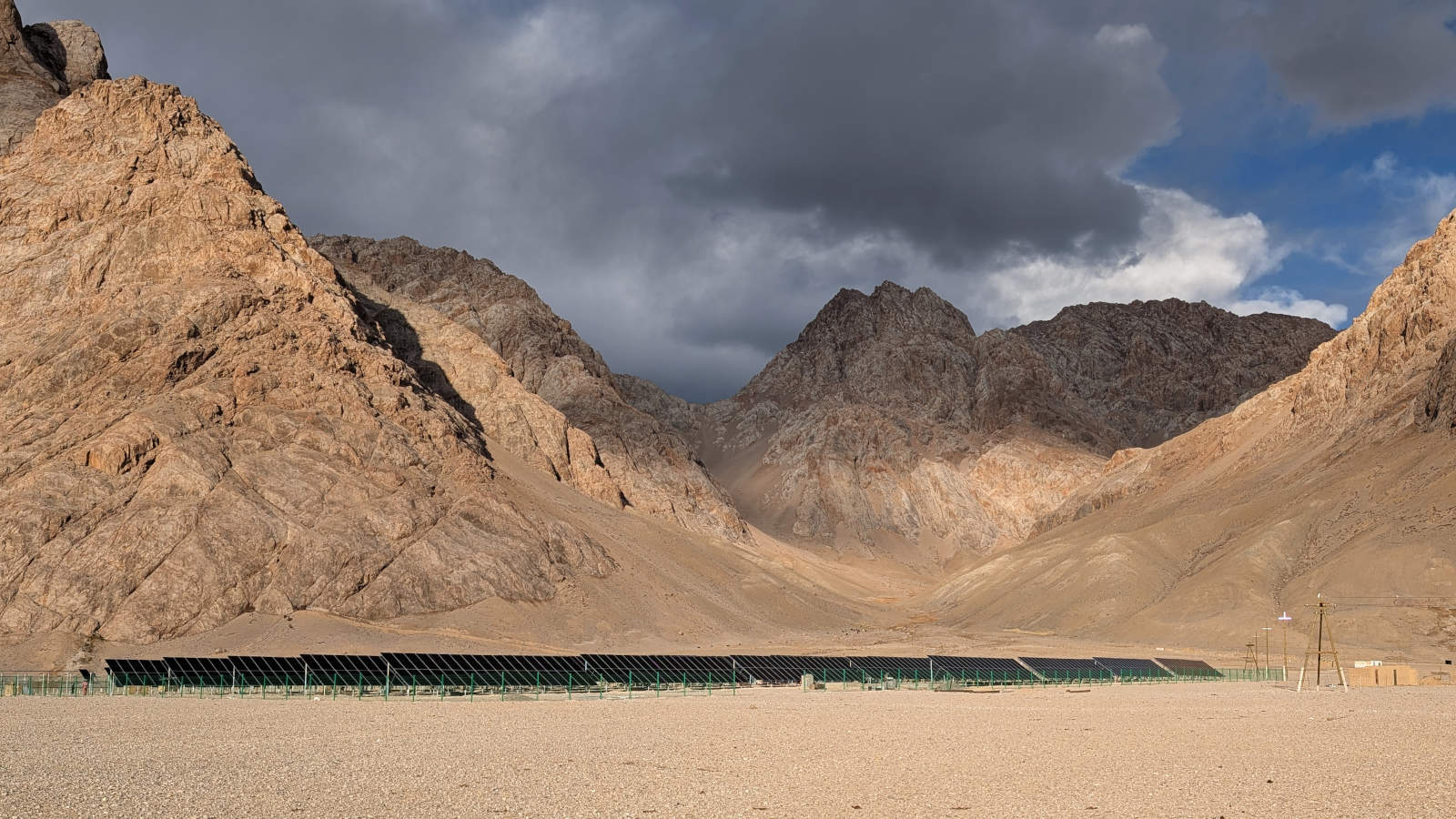
The district also contains remnants of Soviet-era scientific infrastructure, with the Shorbulak Solar Observatory being one of the most notable sites. Established during the 20th century, the observatory reflects the strategic and scientific importance of the eastern Pamirs for high-altitude research. Today, the deserted observatory and adjacent abandoned settlement stand as stark reminders of Soviet ambitions in an otherwise sparsely populated and inhospitable environment.
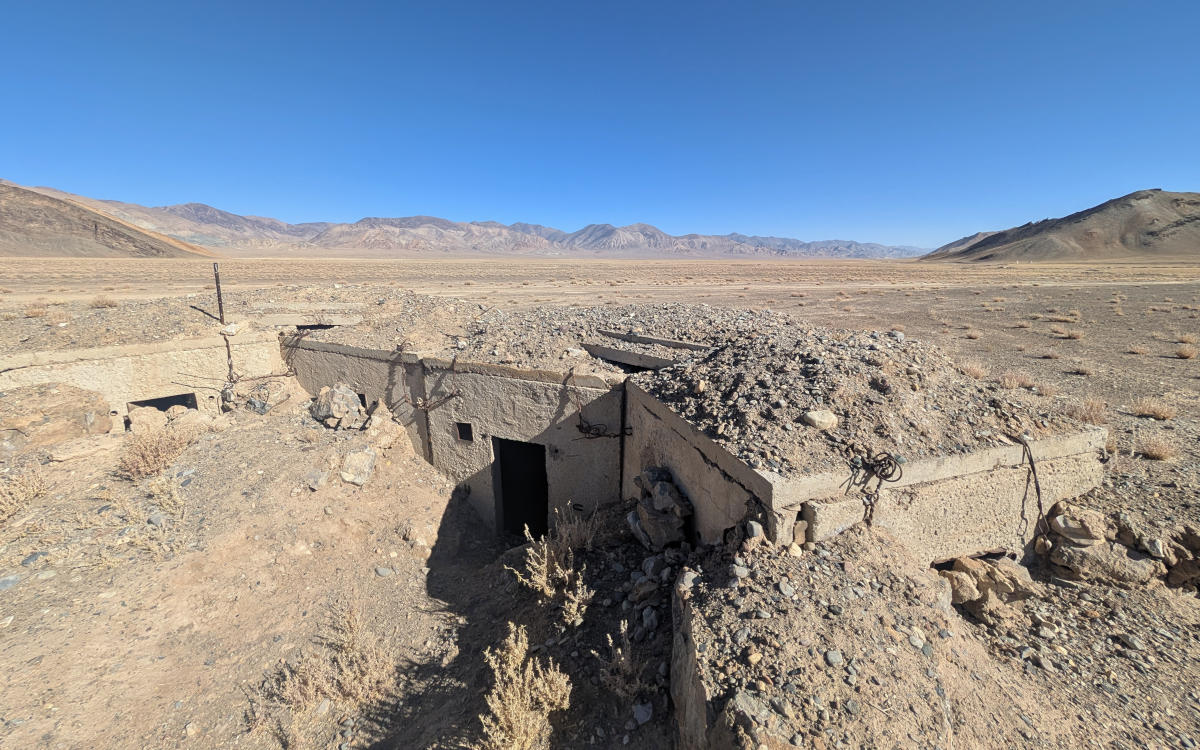
Near Rangkul, remnants of bunkers and defensive trenches can still be seen across the landscape. During the Russian imperial period and later under Soviet rule, the high Pamirs were the focus of border security efforts, with military outposts, fortifications and bunkers established to control key routes and monitor movement through the mountains. Today, these bunkers and trenches remain as tangible reminders of the region’s strategic significance and harsh environment.
Another intriguing historic site in the region is Bash Gumbez, an ancient caravanserai situated roughly 30 km east of Alichur. Once part of the network of resting places used by travelers and traders crossing high‑mountain passes like the one toward Zorkul and the Pamir River in the south, Bash Gumbez today consists of the old structure alongside a small village and graveyard. Its remote setting and weathered ruins reflect the long history of movement and exchange across the Pamirs.
Beyond Shakhty and Bash Gumbuz, the broader eastern Pamir region has numerous stone circles, burial sites and prehistoric markers scattered near high‑altitude lakes and valleys, though many are remote and less accessible, and sometimes even hard to spot.

Culture
The population of Murghob District reflects its geographic position at the crossroads of Central Asia. The region is home to a mix of Pamiri and Kyrgyz communities, with Kyrgyz culture becoming more dominant deeper into the district towards the east.
Kyrgyz influence is visible in yurt camps, pastoral livelihoods, and a strong tradition of livestock herding, particularly cows, yaks and sheep. Life here is shaped to resists the harsh climate and living conditions, resulting in a culture adapted to long winters and limited resources.
The Murghob District is exceptionally sparsely populated. Covering an area comparable to countries like Belgium or Switzerland, it is home to only around 15.000 people.
Main Villages and Outposts
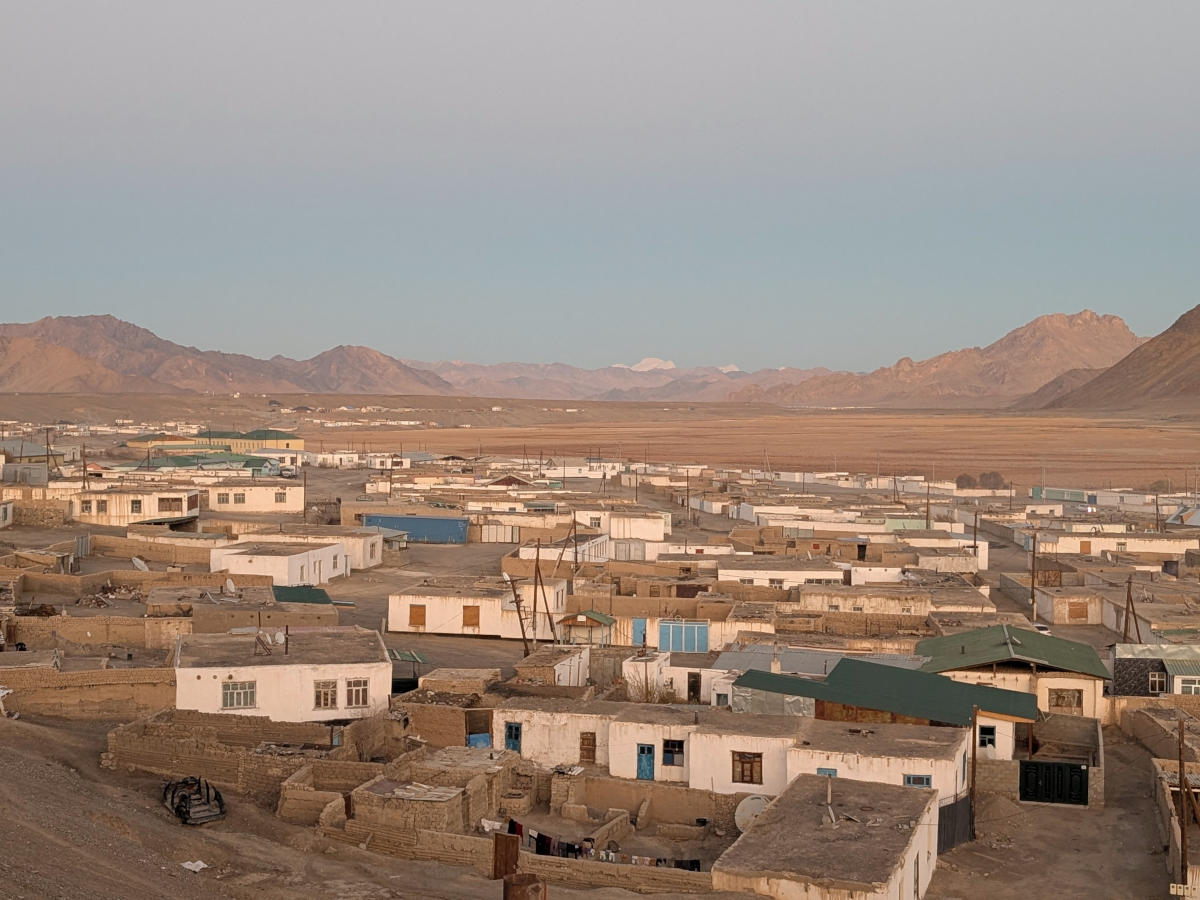
Murghob District is very sparsely populated, with settlements scattered across vast high-altitude plains. The district capital, Murghob, is by far the largest settlement and serves as the administrative and commercial center. Government buildings dominate the main road. The central market, built from shipping containers, provides a lively hub for local trade. Several small restaurants and accommodation options are available, including a proper hotel.
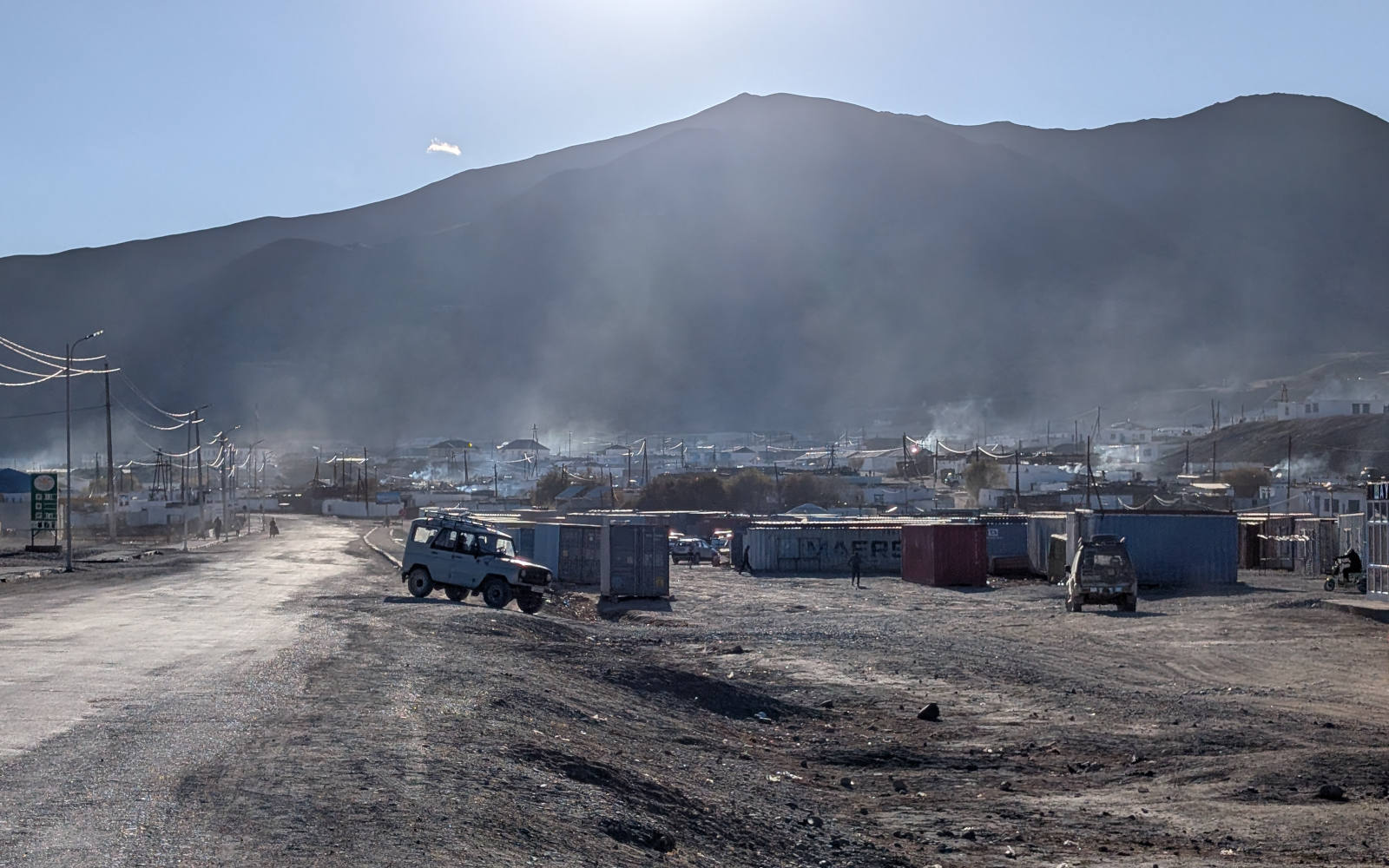
Bulunkul is often referred to as the coldest village in Tajikistan, with a record low temperature of -63˚C. Bulunkul lies near the shores of Yashilkul and marks one of the main entrances to the Tajik National Park. Despite its extreme climate, it offers several homestay options and serves as a gateway for exploring the surrounding lakes, natural hot springs and even a nearby (tiny) geyser.
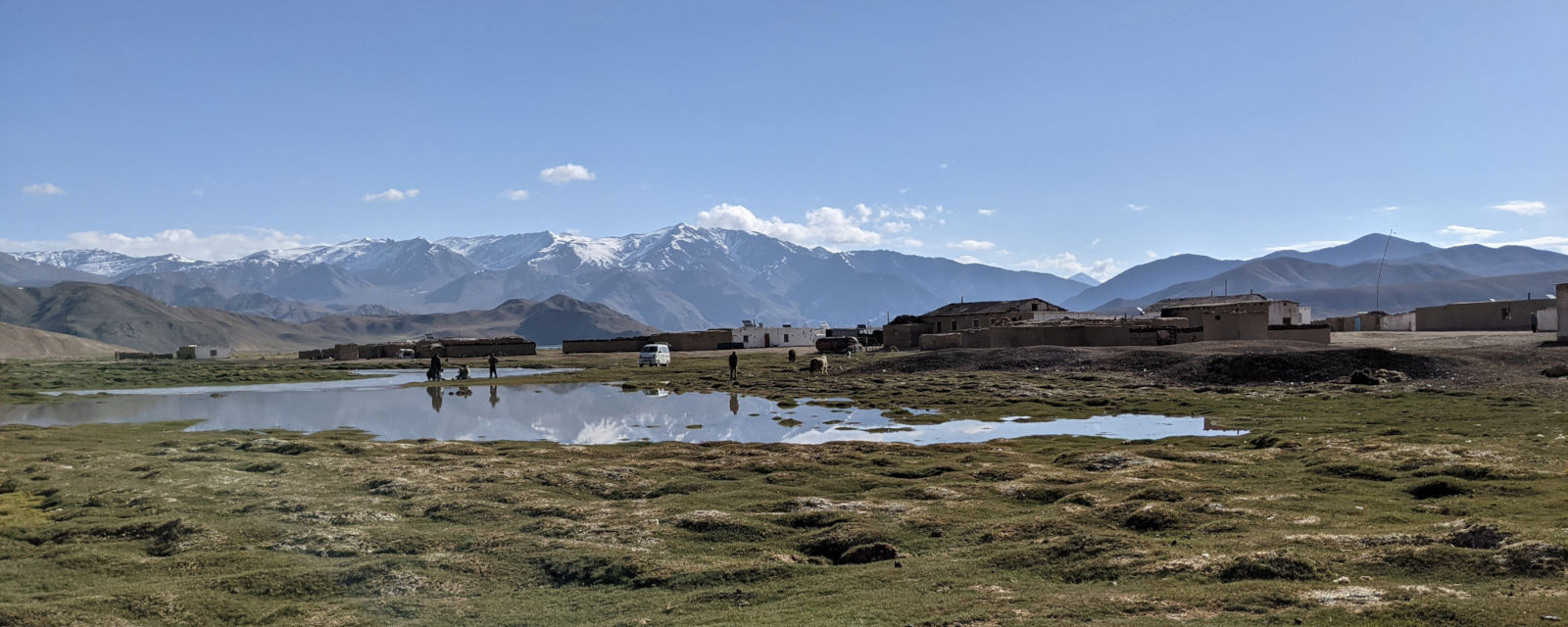
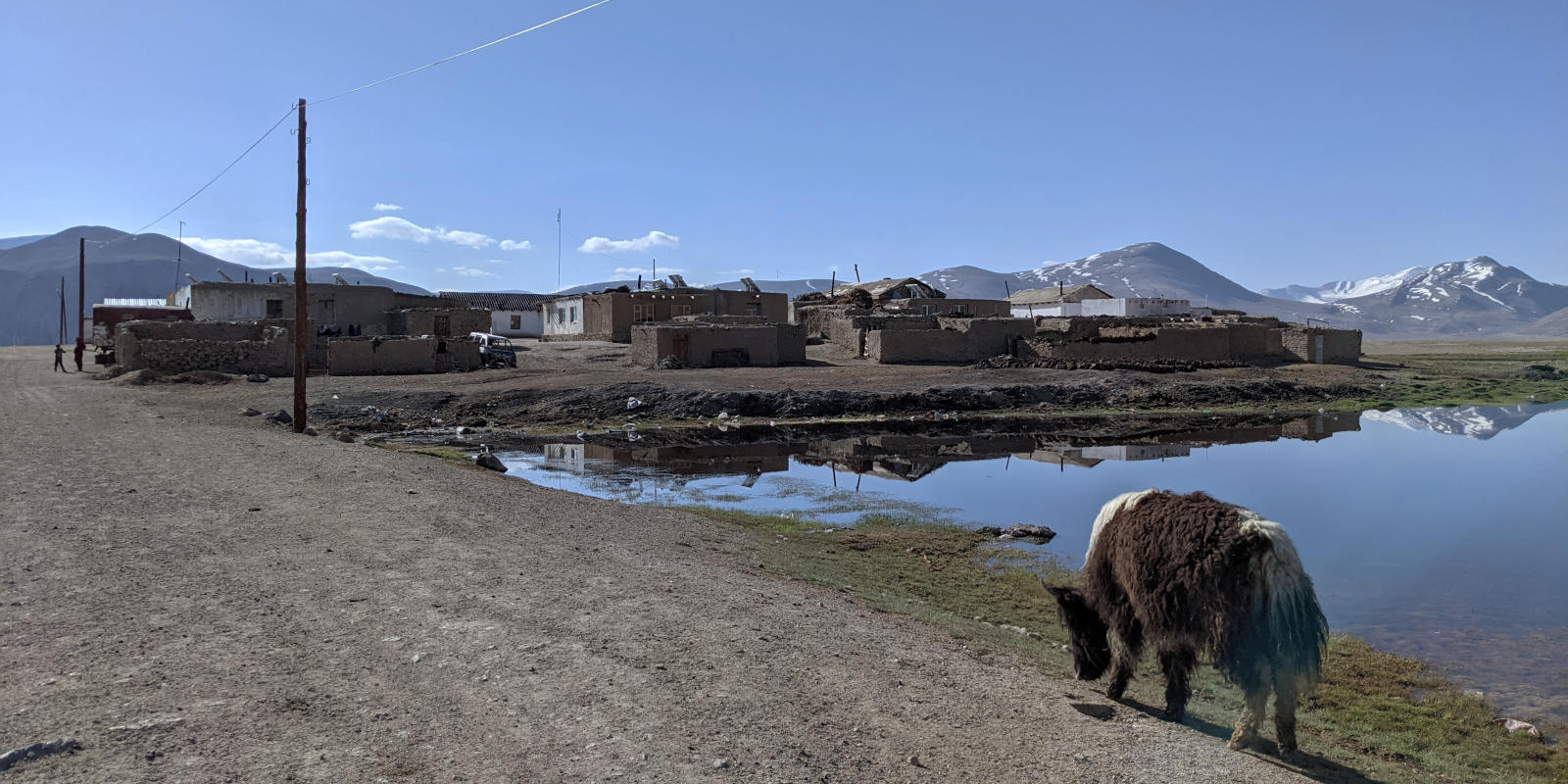
Alichur is an important stop along the Pamir Highway, located between Sassykul/Tuzkul lake and the Ak-Balyk swamps. Its position on the highway ensures a range of accommodation options, making it a convenient rest point for travelers in the region.
Rangkul sits on the outer eastern shore of Rangkul Lake, built on a vast, barren plain. The village is extremely remote, with very limited accommodation available, yet it provides access to one of the region’s largest high-altitude lakes.
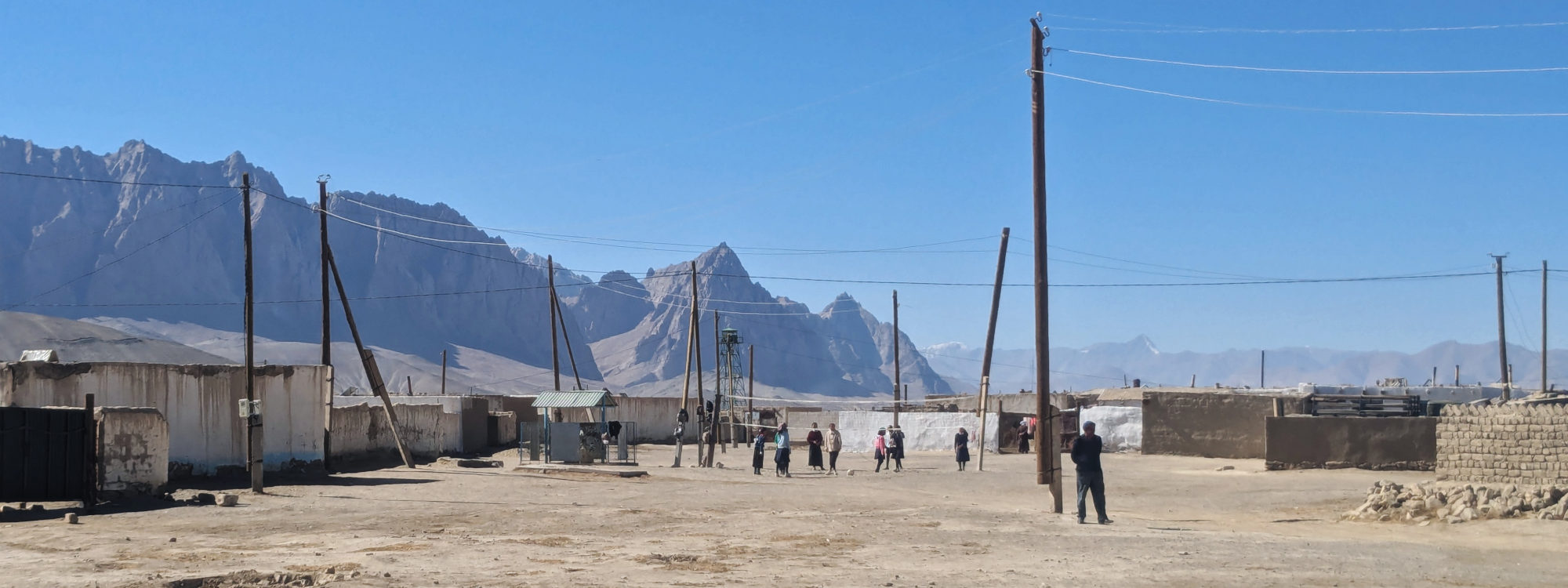
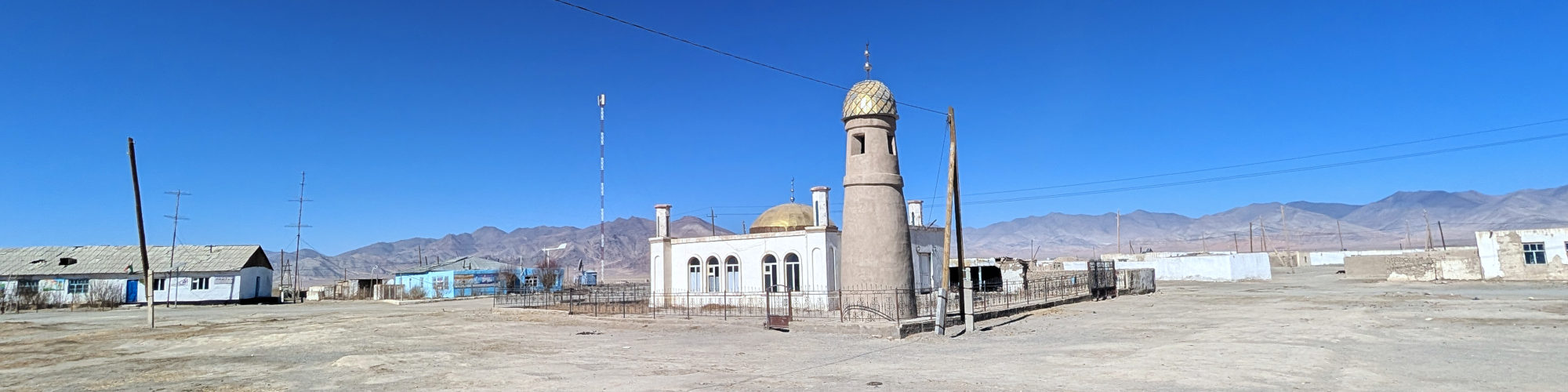

Karakul village lies next to the eponymous meteorite crater lake, the largest lake in Tajikistan. Famous for its bright blue waters and stunning mountain backdrop, Karakul offers multiple places to spend the night, and the surrounding landscapes are among the most impressive in the entire Pamirs.
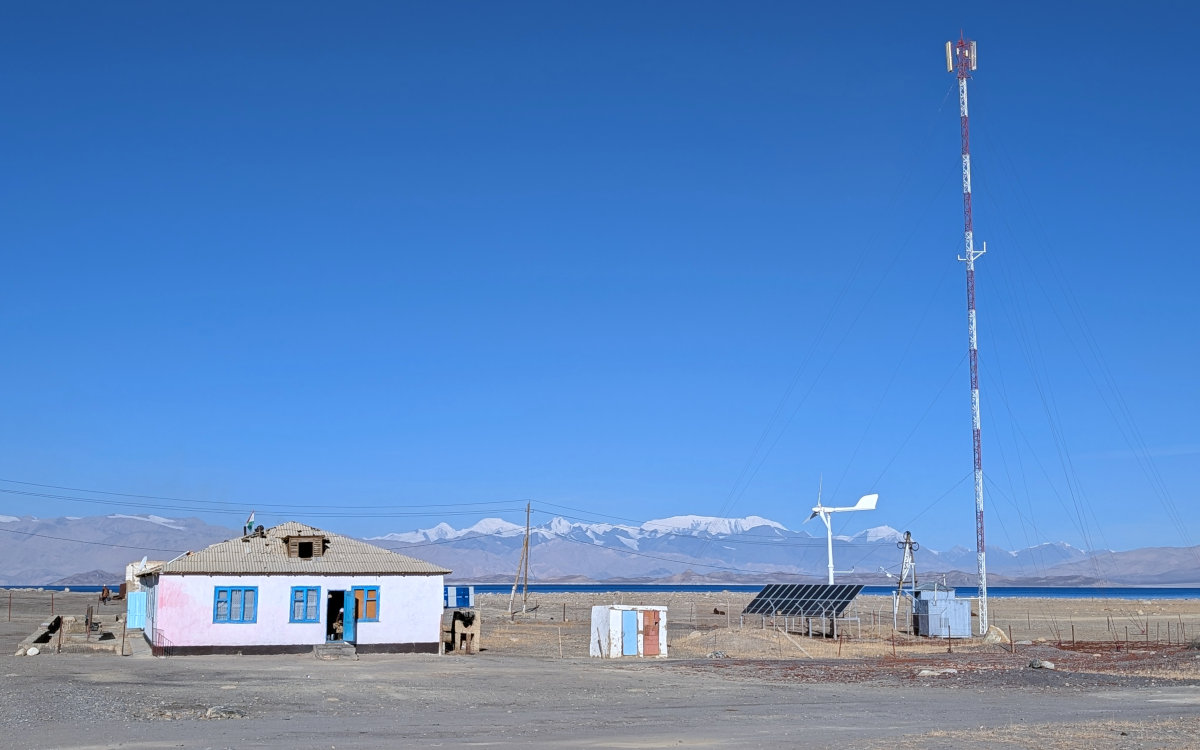
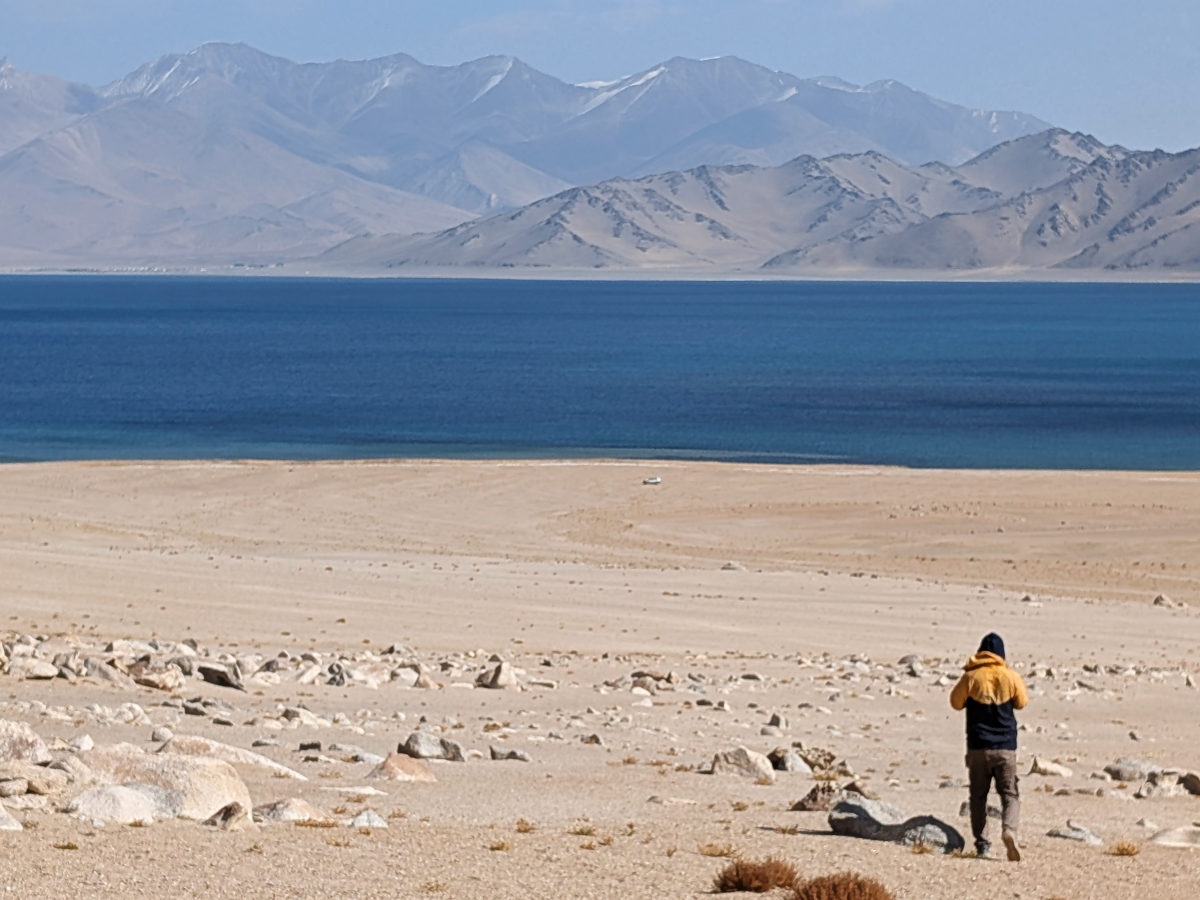
Shaimok is the most remote settlement in Tajikistan, located about 130 km from Murghob. Coming from Murghob, the journey takes around four hours due to extremely rough roads. You pass only one other village, callled Tokhtamysh, at around 90 km from Murghob. Along the way, you encounter several remarkable sights including the Ak-Bura meteorite crater, several scenic lakes like Kyzyl Kurum, and ancient tombs. The southeast of Murghob marks the convergence of Tajikistan, China, Afghanistan and Pakistan. For this reason, the area is quite heavily militarized, which can make it sometimes a bit more difficult to explore the area in an undisturbed way.
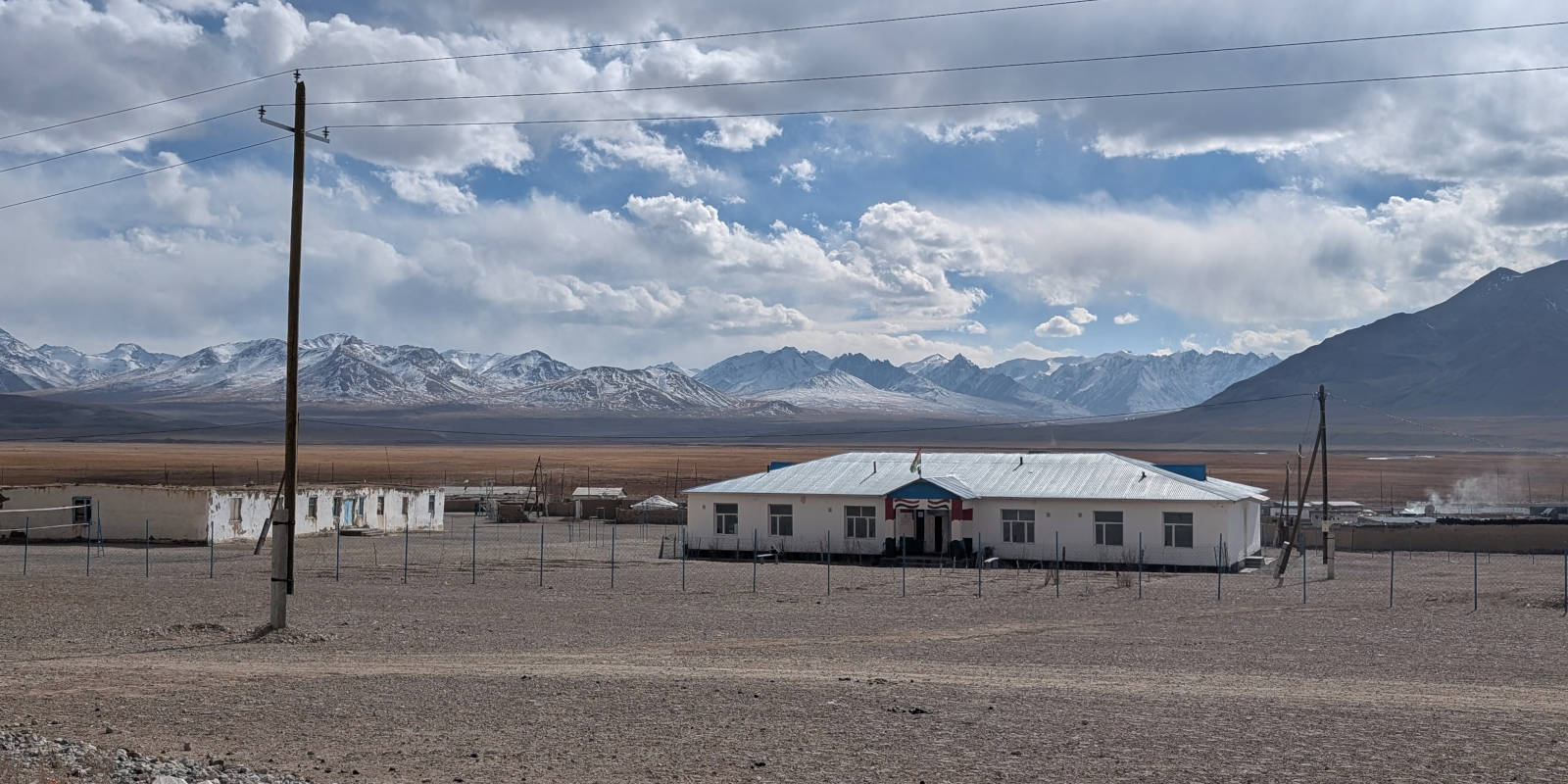
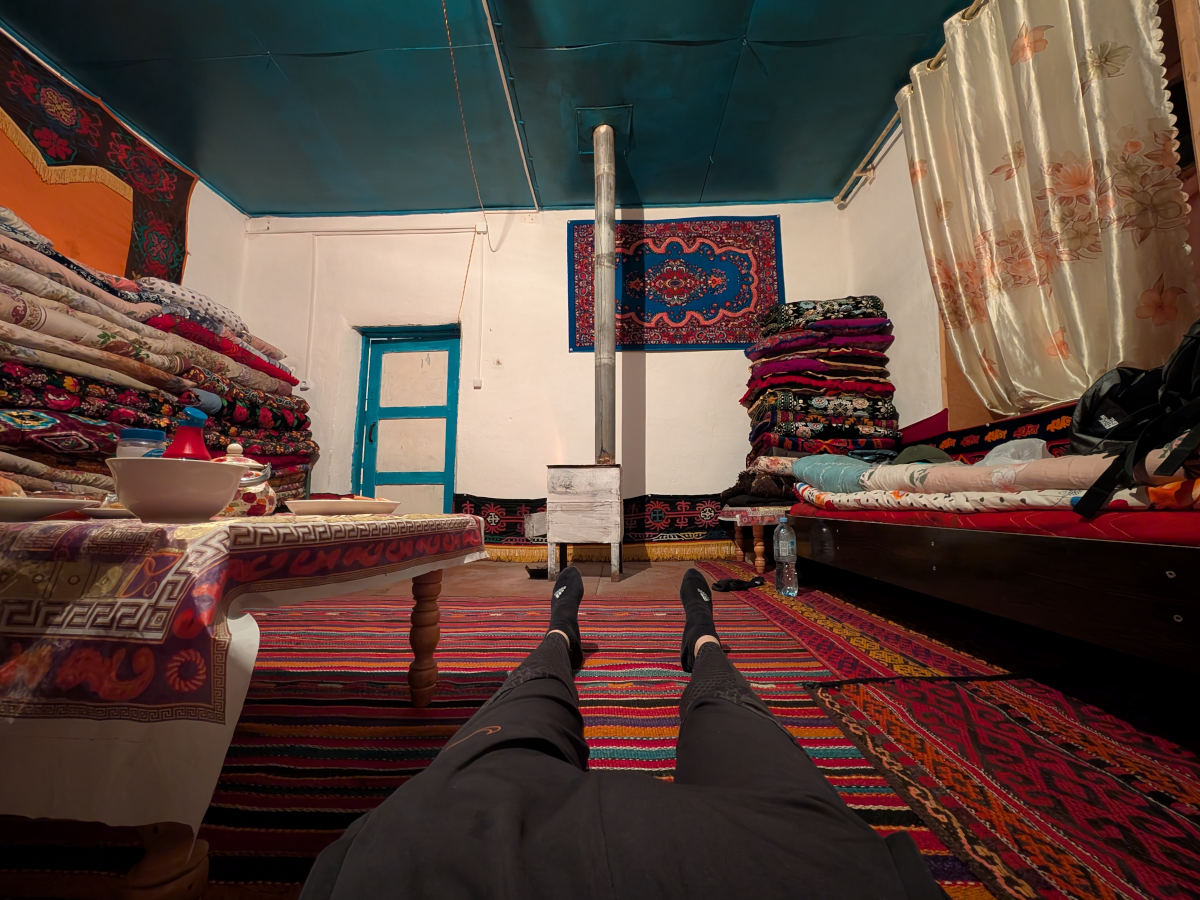
While all of these villages have some form of accommodation, you should not expect western comforts. Many options are simple guesthouses or homestays, often without bathroom or hot water and an outside toilet.
Travel and Access
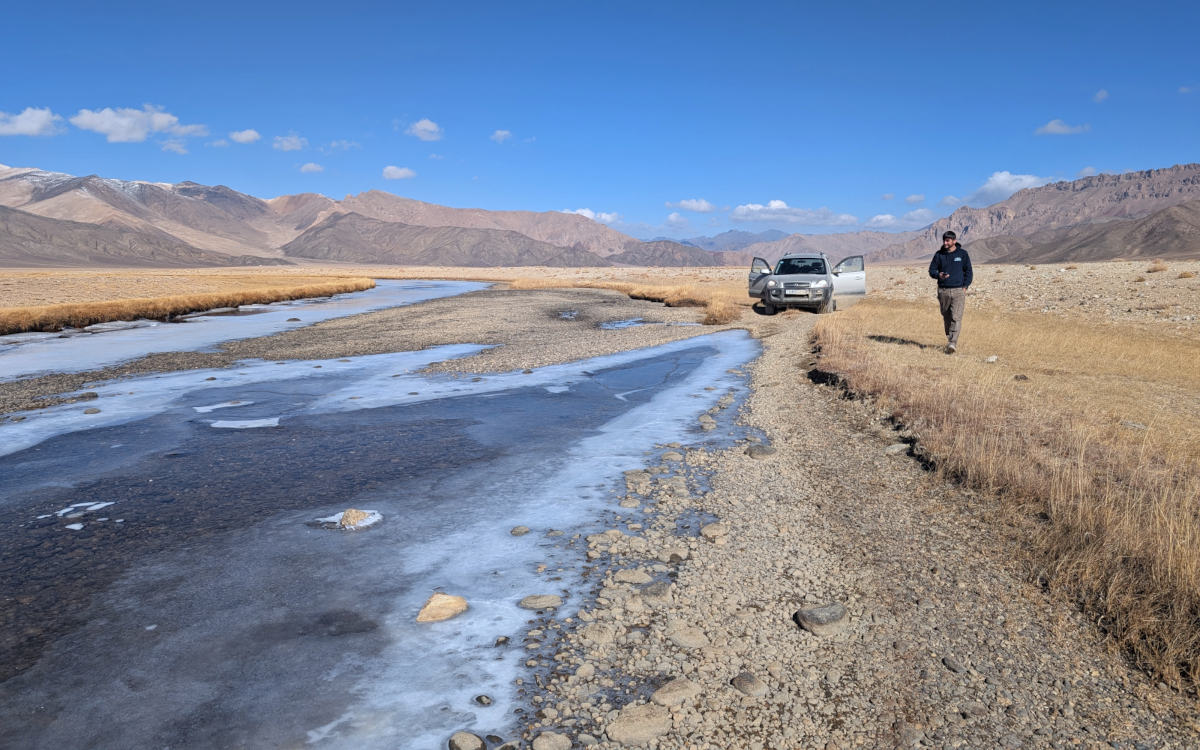
Traveling through Murghob District is a true adventure. Roads are rough and distances are vast, and it is often possible to drive for hours across open terrain with no settlements in sight. In some areas, especially off the main highway, travelers effectively choose their own route across the plateaus. The desert plains are generally quite smooth and even, allowing for spectacular off-roading.
There are several ways to enter the region:
- Via the Pamir Highway (M41) from the west through the Gunt Valley
- From the Wakhan Valley via the high and remote Khargush Pass
- From the north, crossing from Kyrgyzstan
- From the east, via the Qulma Pass connecting Tajikistan with China
- Via the Bartang Valley (most difficult)
Murghob is host to the highest drivable mountain pass of Tajikistan, which is the Ak-Baital Pass (also known under its new name: the Hushang Pass) at a staggering altitude of 4.650 meters. The Ak-Baital Pass is the main connection between Karakul and Kyrgyzstan to the rest of the Pamir Mountains.



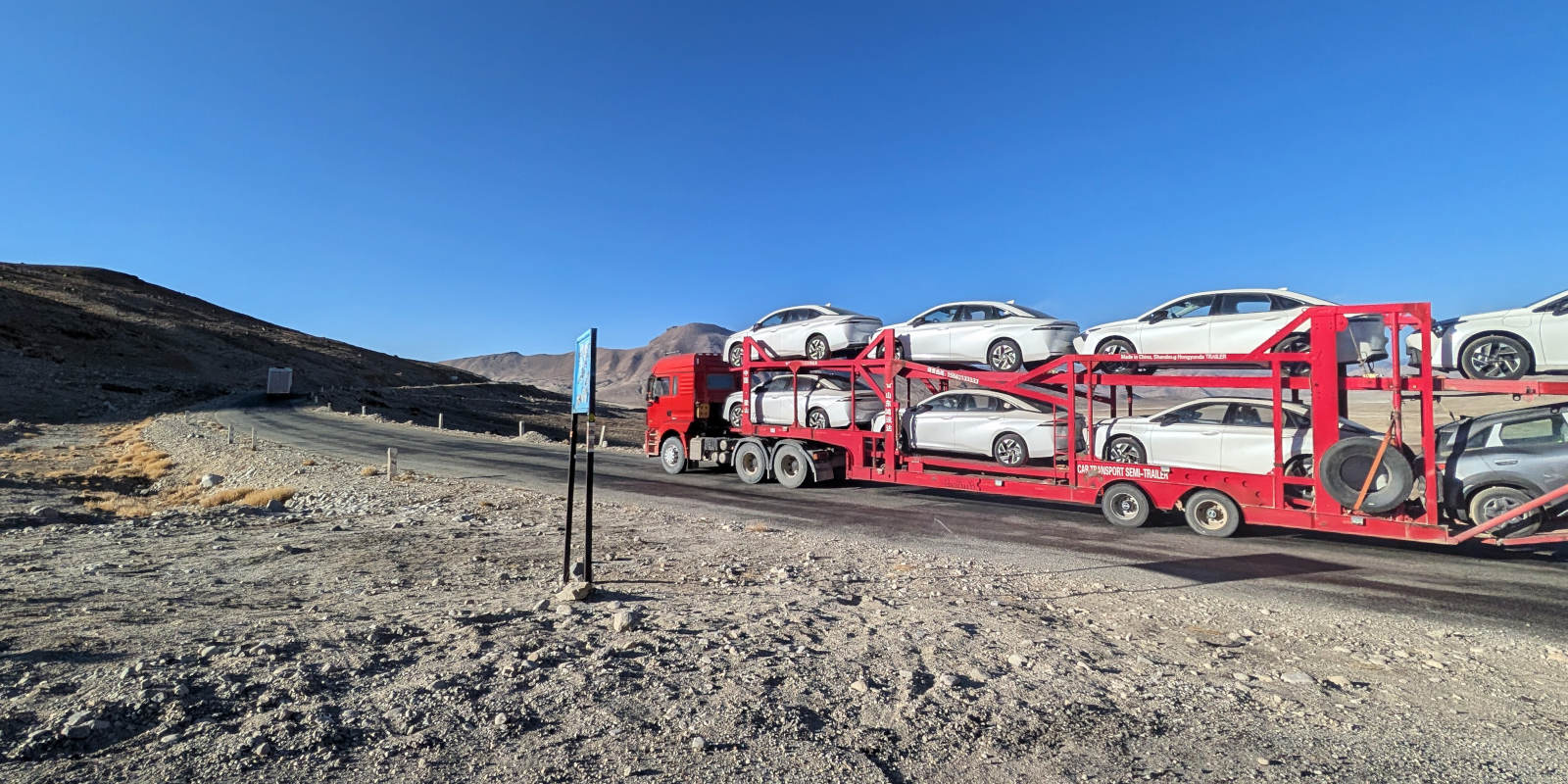
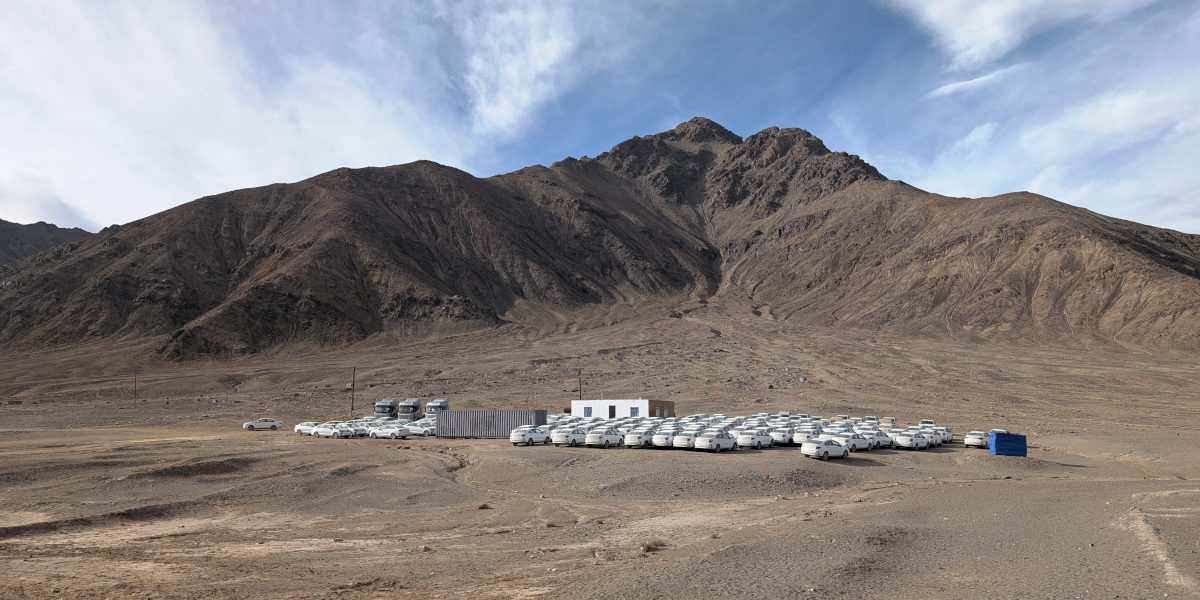
Murghob also lies on an important modern trade corridor. Large freight trucks regularly travel between Dushanbe and Kashgar (China), moving slowly across damaged roads at walking pace. In recent years, this route has also seen a growing number of electric cars being transported from China to Tajikistan. In many cases, the vehicles are not carried on trucks but are driven individually across the Pamirs by professional drivers known locally as перегонщики (peregonshiki).The contrast of the massive trucks and modern vehicles to the fragile high-altitude environment is striking.

Visit
Extreme desert mountain landscapes and the feeling of true remoteness define the experience in Murghob. It is not a region for casual tourism, but for those drawn to extreme environments and raw geography, Murghob stands as one of the most distinctive regions in arguably all of Central Asia. If you are interested to visit this region, we can help you out to organize a trip. Feel free to contact us!